What is DTF
In the dynamic world of fabric printing, the quest...
More
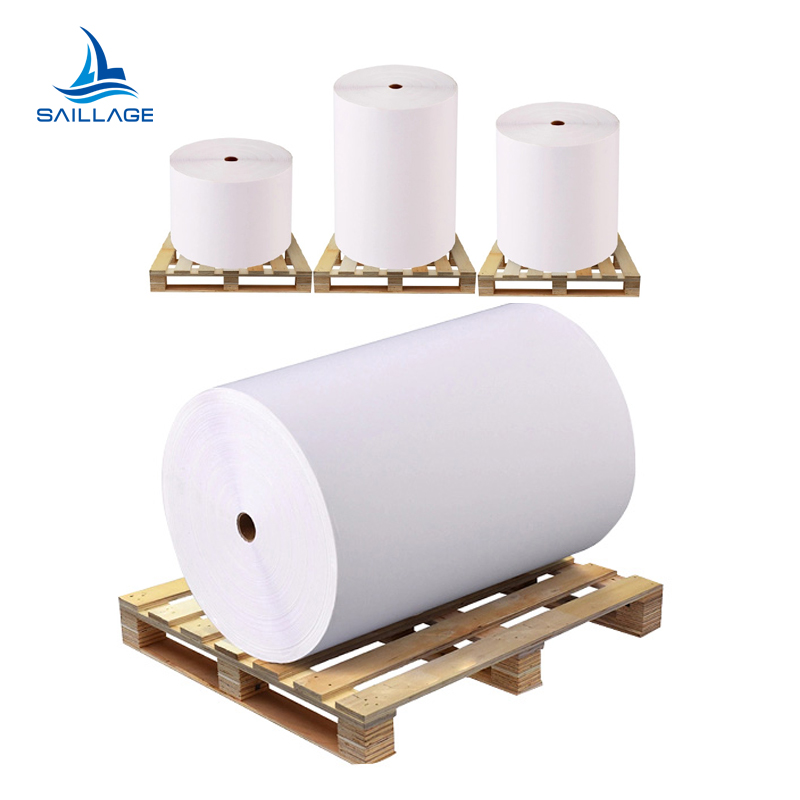
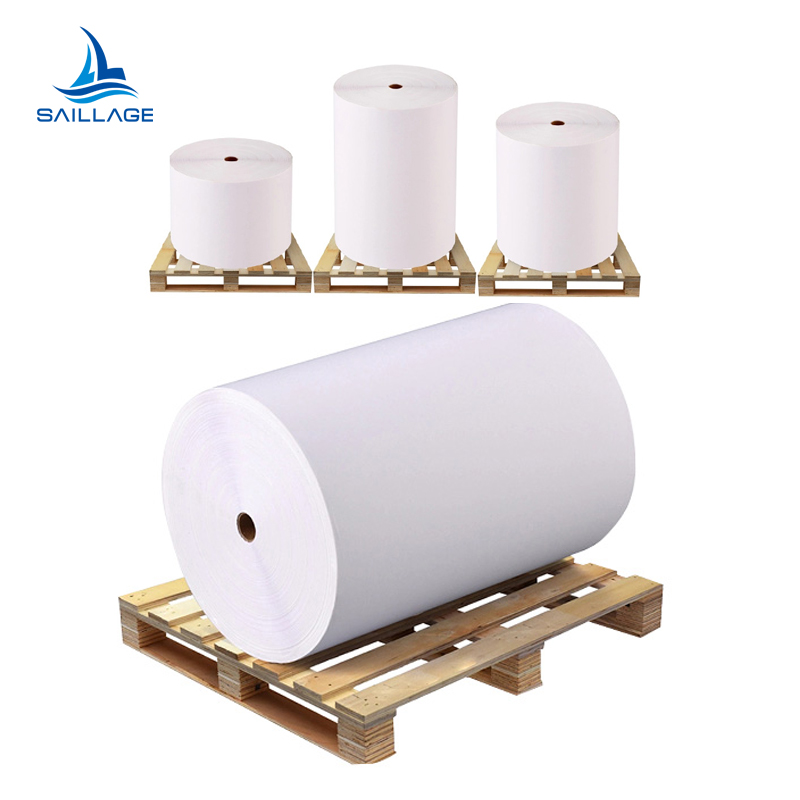
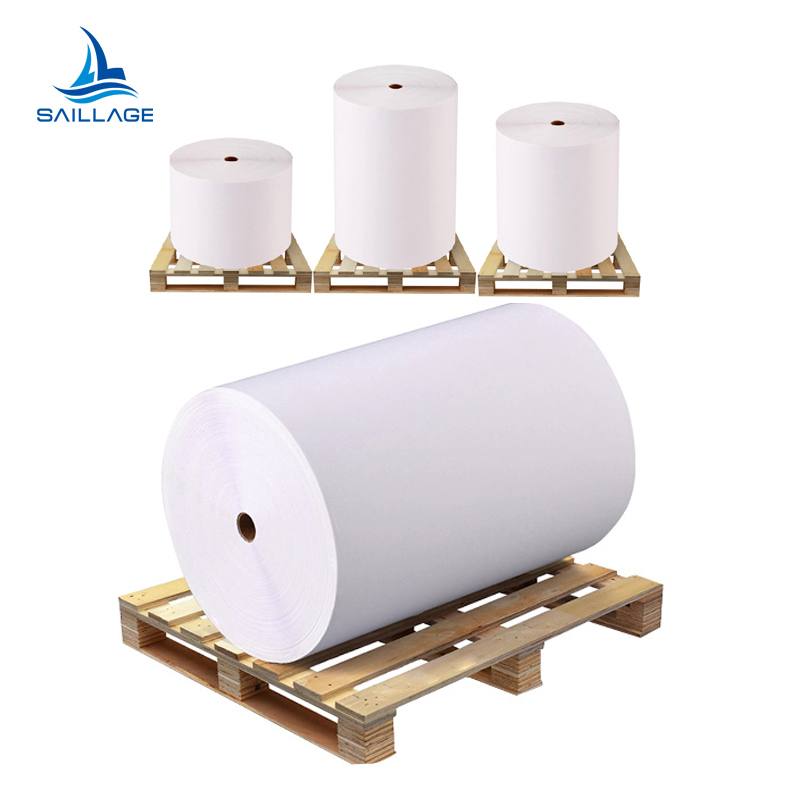
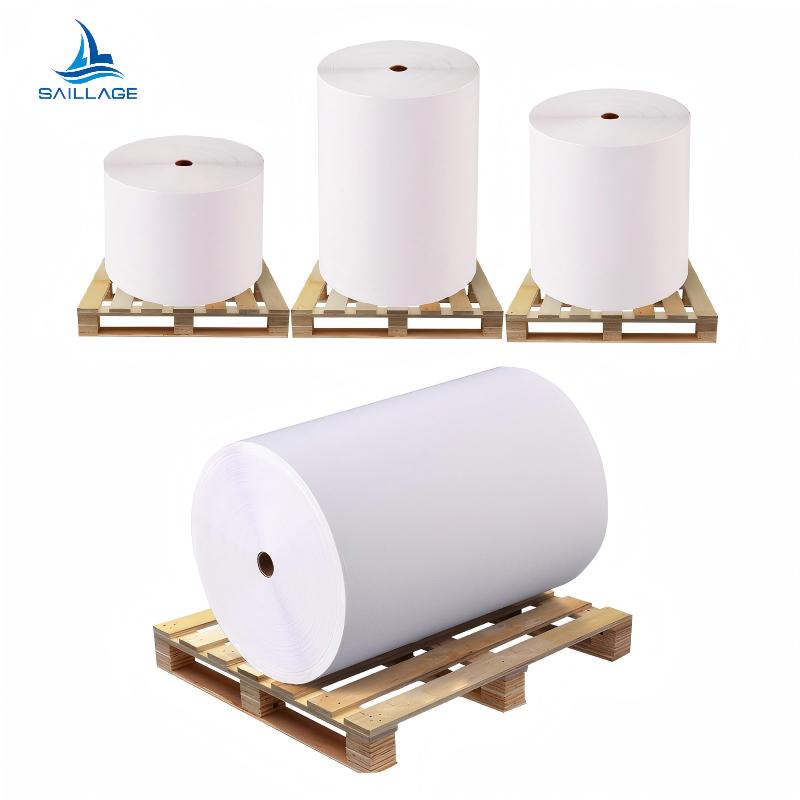
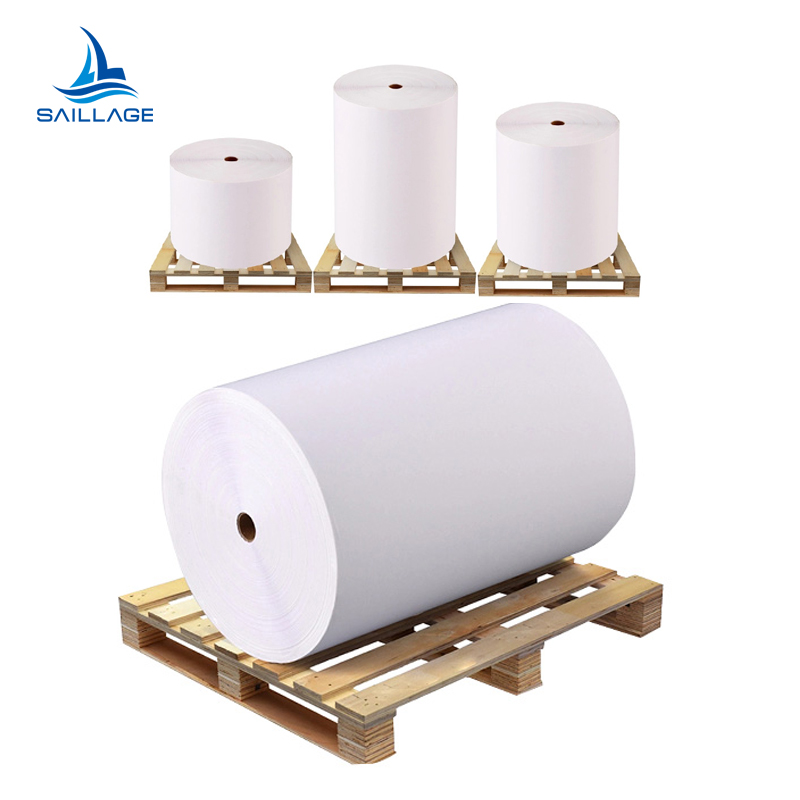
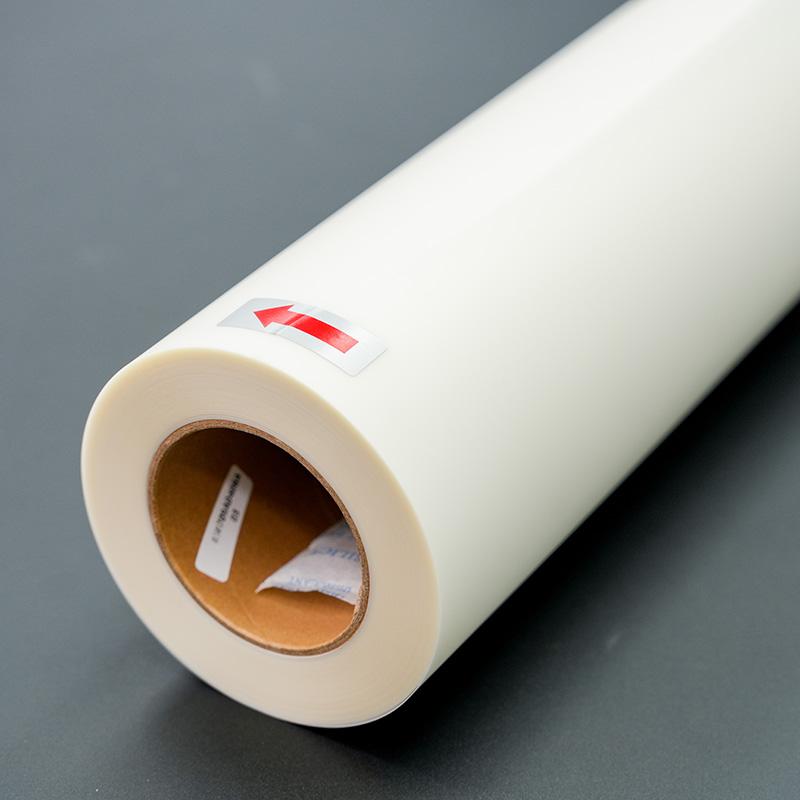
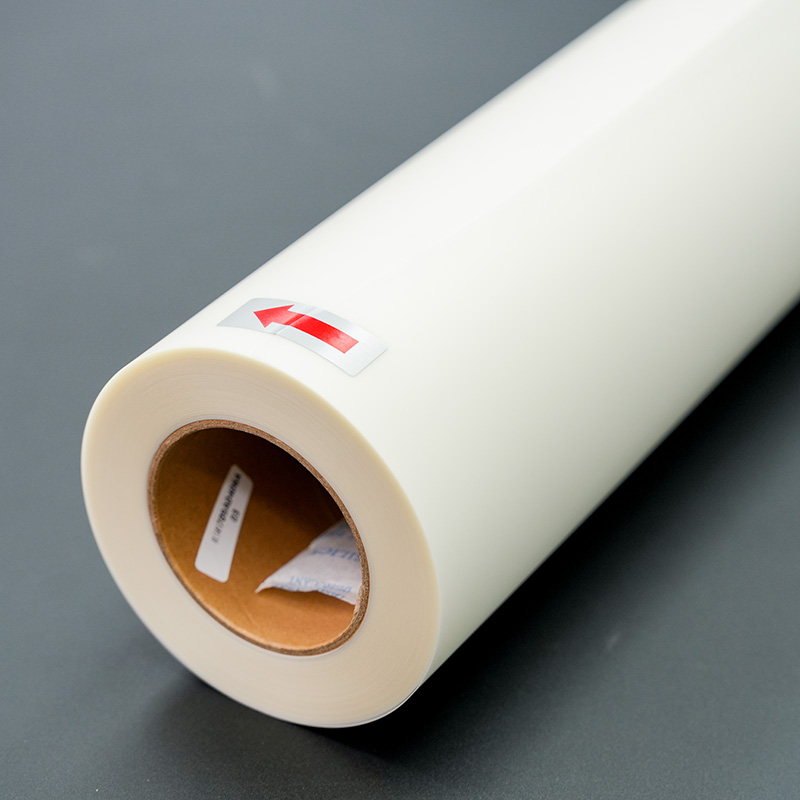
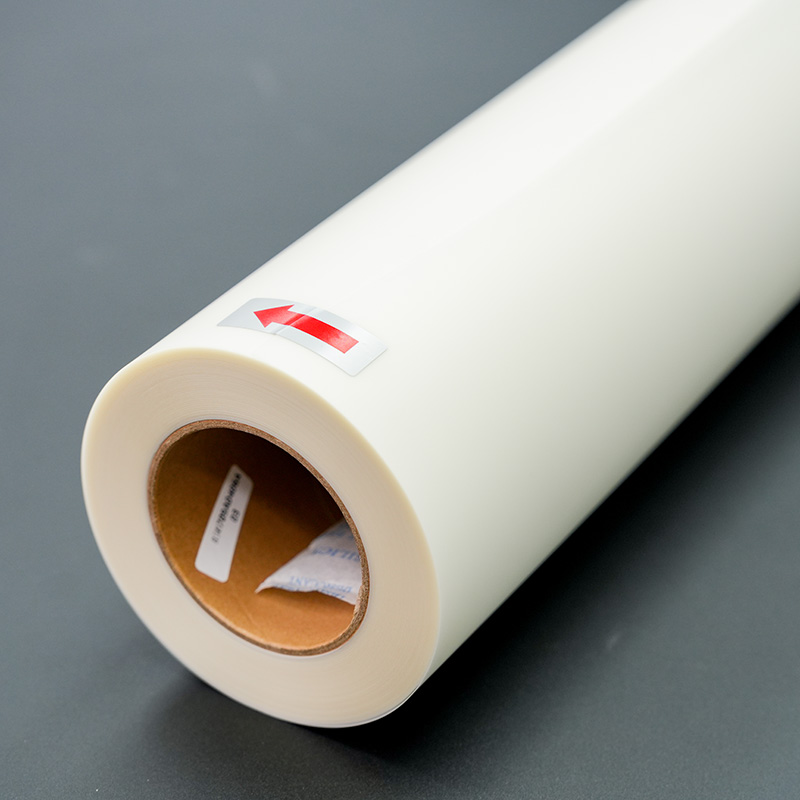
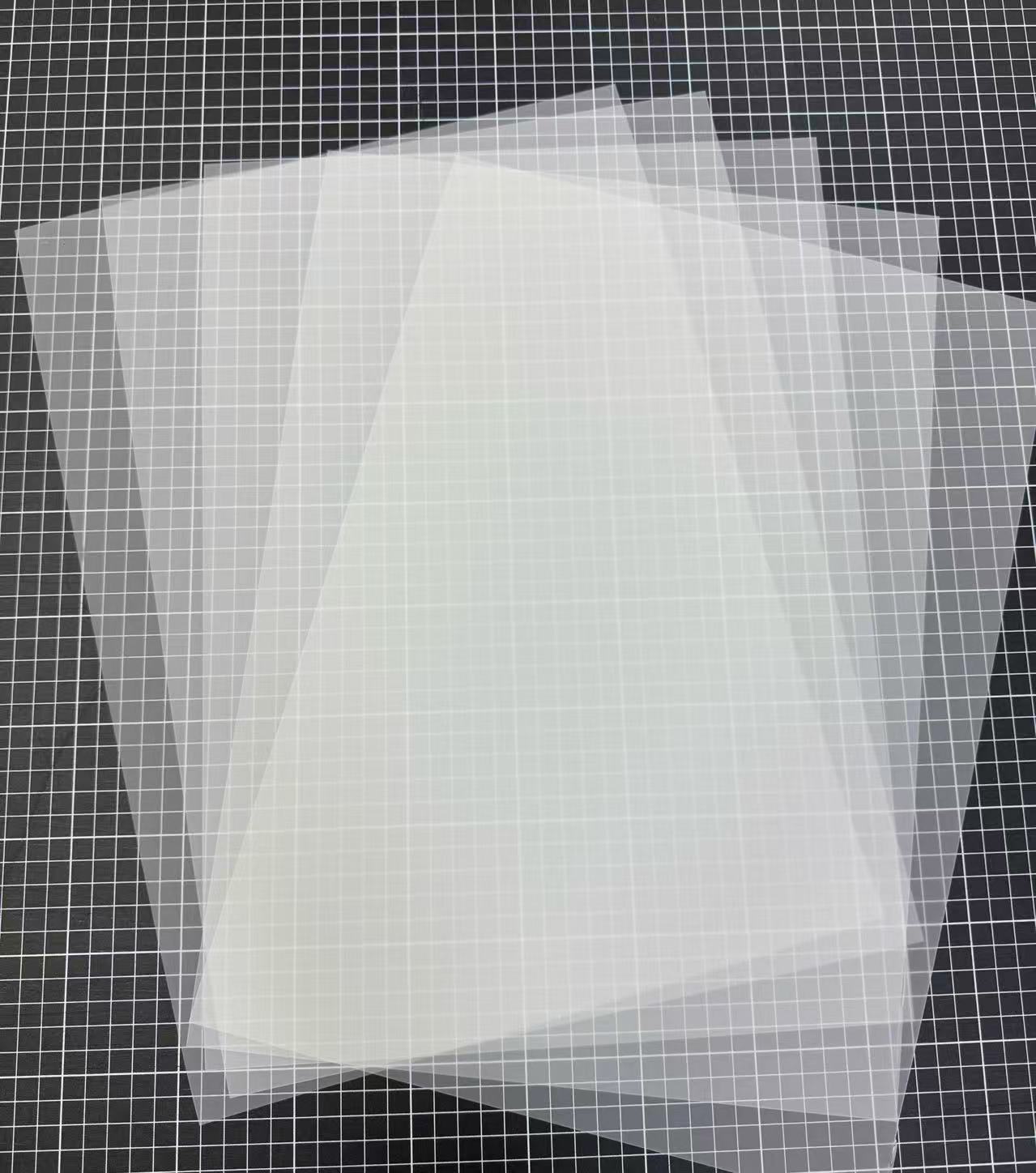
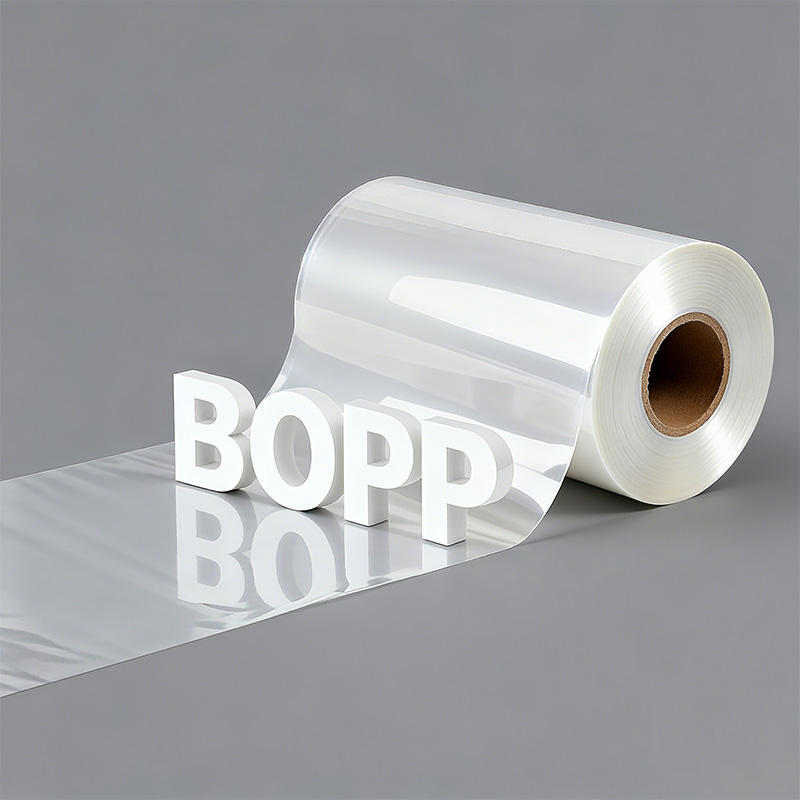
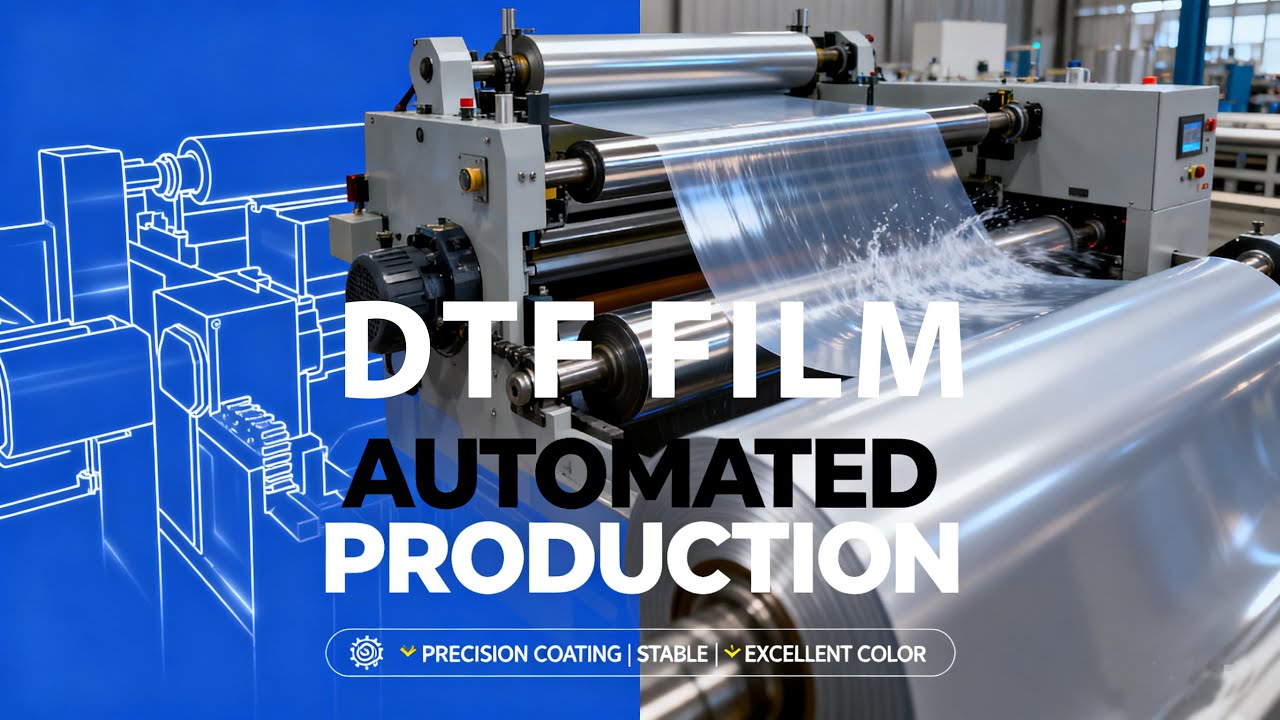
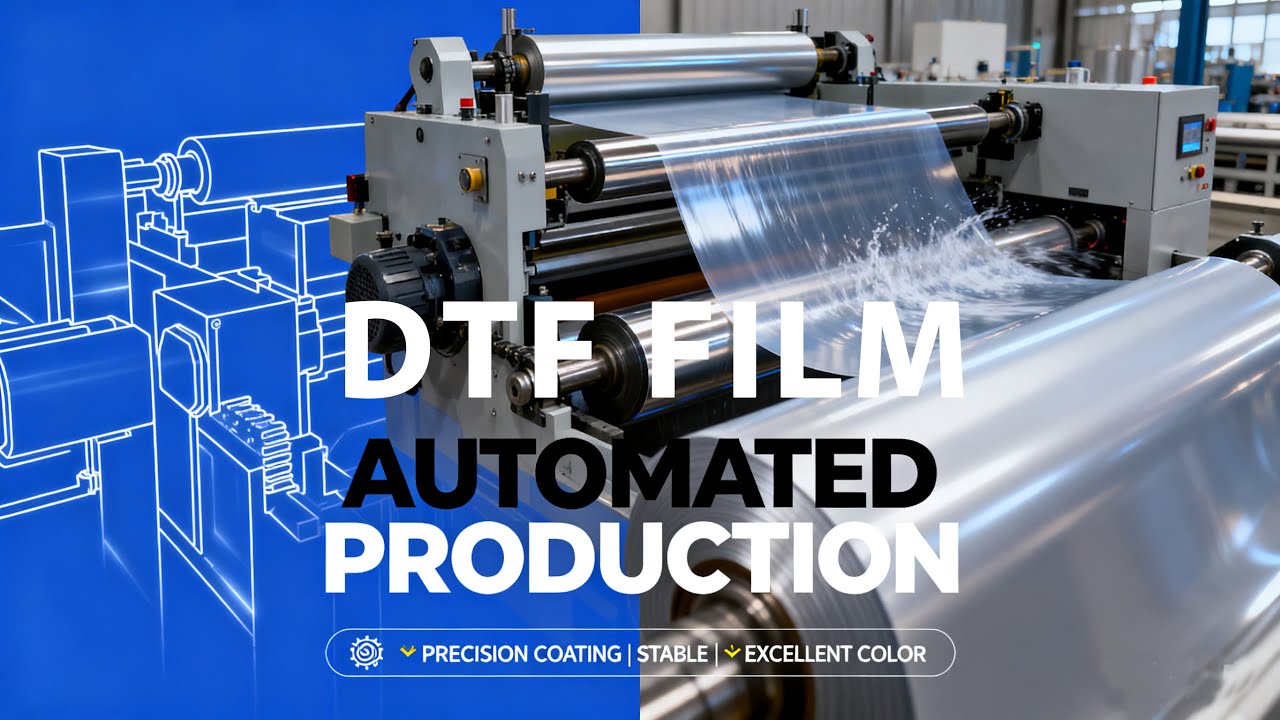
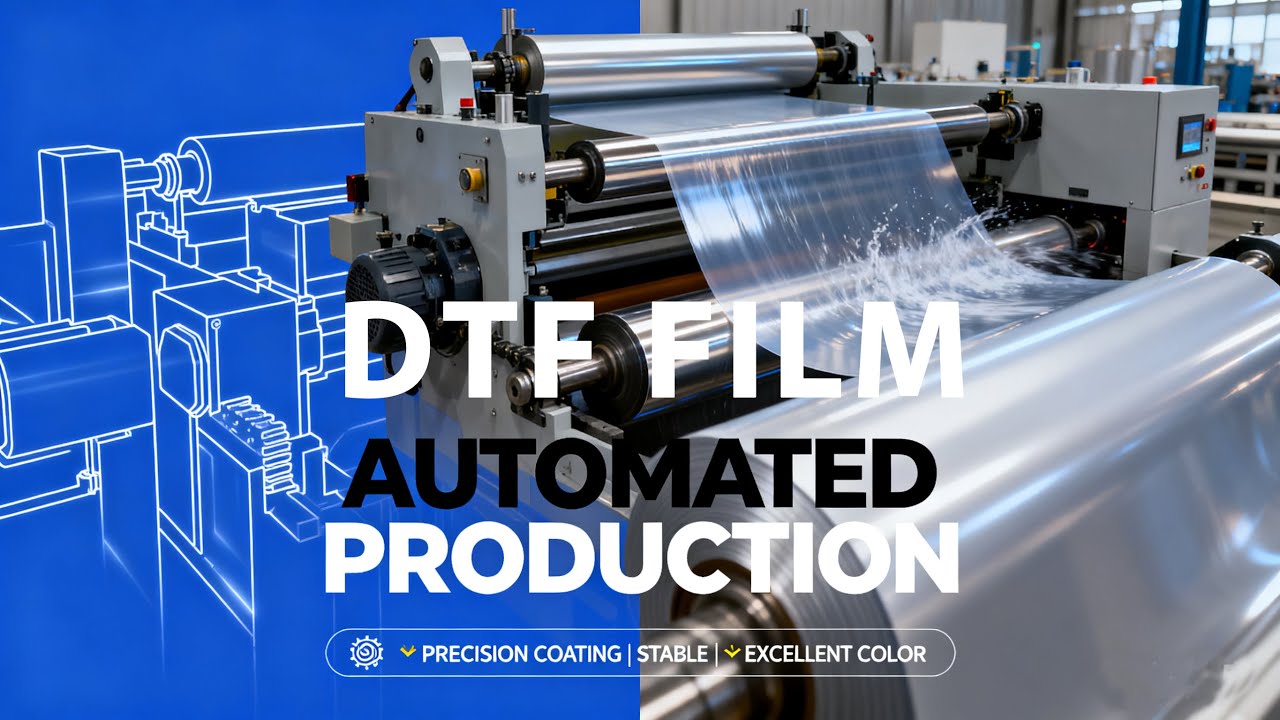
DTF (Direct-to-Film) film is a specially coated polyethylene terephthalate (PET) sheet that acts as a carrier for printed designs. This dtf film holds the ink and an adhesive powder, a combination that enables the transfer of a full-color graphic onto various fabrics using heat. Unlike other methods, the design is printed onto the dtf film first, not directly onto the final product.

The magic of DTF lies in a precise, multi-stage process that transforms a digital design into a durable, wearable graphic. Each step builds upon the last, ensuring a high-quality result. Operators follow these five key stages to achieve a perfect print.
The process begins with a specialized DTF printer. This equipment first prints the full-color (CMYK) layer of the design onto a sheet of dtf film. Immediately after, the printer deposits a layer of white ink directly on top of the color layer. This white base is critical. It ensures the design’s colors appear vibrant and opaque, especially when transferred onto dark-colored fabrics. The entire graphic is printed in reverse, as a mirror image, preparing it for the transfer.
With the ink still wet, the printed film moves to the next stage: powder application. The operator generously coats the entire printed area with a DTF adhesive powder. This fine powder is the bonding agent that will fuse the design to the garment. After coating, the operator shakes the film to remove all excess powder. The adhesive sticks only to the wet ink, perfectly outlining the design.
Note on Adhesives: The quality of the adhesive powder directly impacts the final print's feel and safety.
Most DTF adhesive powders consist of Thermoplastic Polyurethane (TPU), known for its flexibility and durability.
Reputable powders, such as those compliant with Oeko-Tex 100 standards, are free of harmful substances like phenol, chlorophenols, and phthalates.
The particle size of this powder also determines the texture of the final print.
| Powder Type | Resulting Hand Feel |
|---|---|
| Fine Powder | Creates a softer, smoother feel ideal for lightweight fabrics. |
| Coarse Powder | Results in a thicker, more textured feel for heavy-duty items. |
Next, the powdered film undergoes a curing process. The operator places the film in a specialized curing oven or hovers a heat press just above its surface. The heat melts the adhesive powder, transforming it from a grainy texture into a smooth, rubberized sheet. This process, often called "gelling," typically takes a couple of minutes. Proper curing is essential; under-curing can leave the transfer with a rough, gritty feel and poor wash resistance, while over-curing can make it brittle and stiff.
This is the stage where the design meets the garment. The operator places the cured dtf film onto the target fabric, positioning it carefully. A commercial heat press then applies controlled heat and pressure for a specific duration. This heat reactivates the adhesive layer, creating a permanent bond between the ink and the fabric fibers.
The ideal settings vary based on the fabric composition.
Common Heat Press Settings
| Fabric Type | Temperature | Time | Pressure |
|---|---|---|---|
| 100% Cotton | 320°F - 325°F (160°C - 163°C) | 15 seconds | Medium |
| 100% Polyester | 275°F - 300°F (135°C - 149°C) | 8-12 seconds | Light to Medium |
| Polyester Blends | 300°F - 325°F (149°C - 163°C) | 15-20 seconds | Medium |
⚠️ A Word of Caution on Polyester: Polyester fabrics are sensitive to high heat and can scorch or melt. Operators must use lower temperatures and shorter press times. Performing a test on a scrap piece of fabric is always a recommended best practice.
The final step is removing the carrier film. This action depends on the specific type of film used: hot peel or cold peel. The choice between them affects both the production workflow and the final finish of the design.
| Feature | Hot Peel DTF Film | Cold Peel DTF Film |
|---|---|---|
| Peeling Time | Immediately after pressing, while hot | After the garment has fully cooled |
| Finish | Tends to be glossy | Tends to be matte |
| Workflow | Faster production speed | Slower, requires cooling time |
Once the operator peels the film away, the process is complete. A vibrant, full-color, and durable graphic is now permanently affixed to the garment, ready for wear.
Choosing the right printing method depends on the project's specific needs, including design complexity, fabric type, production volume, and desired finish. DTF printing offers a unique set of advantages, but understanding how it stacks up against established techniques like DTG, screen printing, and HTV is crucial for making an informed decision.
Direct-to-Garment (DTG) printing applies ink directly onto the fabric, much like an office printer prints on paper. This differs fundamentally from DTF, where the design is first printed on a transfer film. This single difference creates several important distinctions.
Fabric Versatility: DTF holds a significant advantage here. It works on a vast range of materials, including cotton, polyester, blends, leather, and nylon. DTG, however, performs best on 100% cotton. It struggles with polyester and other synthetic fabrics without extensive pre-treatment.
Color Vibrancy: Because DTF uses a white ink underbase on the film, its colors appear bright and opaque on fabrics of any color. DTG requires a pre-treatment chemical on dark garments to achieve similar vibrancy, which can sometimes affect the fabric's feel.
Durability and Feel: DTG prints often feel softer as the ink soaks into the fabric fibers. A DTF transfer sits on top of the fabric, giving it a slightly more substantial, flexible feel. In terms of wash resistance, DTF generally proves more durable over time.
| Feature | DTF Printing | DTG Printing |
|---|---|---|
| Wash Durability (after 50 cycles) | Excellent, minimal fading or cracking | Good, some fading and cracking may occur |
Screen printing is a traditional powerhouse for high-volume apparel production. It involves pushing ink through a mesh screen onto the fabric. While effective, its process and capabilities differ greatly from DTF.
Screen print transfers generally offer superior color vibrancy and opacity, often achieving spot-on color matching. While DTF can produce vibrant full-color images, its vibrancy can be more susceptible to variations based on the press technique and film quality. For detail, DTF excels at photo-realistic prints and gradients without complex setup.
Cost and VolumeScreen printing has high initial setup costs due to the need to create a separate screen for each color in a design. This makes it inefficient for small orders or designs with many colors. DTF has virtually no setup cost per design, making it ideal for one-offs and small-to-medium batches. Screen printing only becomes more cost-effective at very high volumes.
Run lengths below 1,000 meters are generally more cost-effective with digital printing like DTF.
Orders exceeding 5,000 meters are almost always cheaper with rotary screen printing.
The range between 1,000 and 5,000 meters is where factors like the number of colors and potential for repeat orders determine the best method.
Environmental ImpactDTF printing presents a more environmentally friendly alternative to traditional screen printing, primarily due to its significant reduction in water and chemical waste.
| Factor | Screen Printing | DTF Transfers |
|---|---|---|
| Ink Waste | High (manual mixing, discarded unused ink) | Minimal (precise ink usage, no mixing) |
| Water Use | High (washing screens, cleaning up) | Zero (no washing or rinsing) |
| Chemical Waste | High (emulsions, degreasers, reclaiming agents) | None (no screen preparation chemicals) |
| Energy Consumption | High (drying tunnels, flash units) | Low (compact heat units, standard heat press) |
| Recyclability | Low (non-biodegradable components) | Moderate (single-use plastic films, but efforts for recyclable/biodegradable are ongoing) |
Heat Transfer Vinyl (HTV) involves cutting designs from a sheet of colored vinyl and then heat-pressing them onto a garment. This method is popular for simple, single-color graphics like names and numbers on jerseys.
The primary limitation of HTV is design complexity. Each color requires a separate layer of vinyl that must be cut, "weeded" (removing excess material), and applied. This process becomes incredibly time-consuming and impractical for intricate, multi-color, or photorealistic designs. DTF, by contrast, prints the entire full-color design in a single pass, making it far superior for complex graphics. A DTF transfer is a single, integrated piece, whereas a multi-color HTV design is a stack of layered vinyl pieces, which can feel thick and stiff.
The dtf film itself is a critical component with several variations that affect the final product and workflow. The most significant distinction is between hot peel and cold peel films, which dictates when the operator removes the carrier sheet.
Hot Peel Film: Operators peel this film away immediately after the heat press opens. This method is fast and efficient, making it ideal for high-volume production. It typically leaves the design with a glossier, shinier finish.
Cold Peel Film: This film must cool down completely before the operator can peel it. While this adds time to the production process, it often results in a more durable transfer with a smooth, matte finish that many prefer.
Beyond this, films can be single-sided or double-sided. Double-sided films have a coating on both sides, which helps prevent curling under the heat of the printer and reduces static, leading to more reliable printer feeding and cleaner powder application. The choice of dtf film directly influences the efficiency of the printing process and the aesthetic quality of the final garment.
DTF film is the core component enabling a versatile, high-quality printing method. This technology offers a powerful balance of vibrant, full-color results, excellent durability, and operational efficiency. It effectively bridges the gap between other printing techniques, making it a revolutionary choice for businesses of all sizes.
A high-quality DTF transfer can last 50 to 100 washes. Proper application and care ensure maximum longevity, often outlasting the garment itself.
A home iron is not recommended. A commercial heat press provides the consistent temperature and even pressure required for a durable, professional-quality bond.
High-resolution PNG files with transparent backgrounds are ideal. This format preserves design details and ensures clean edges without a background box on the final print.



Select the most popular foreign trade service products to meet your diverse needs
Select the most popular foreign trade service products to meet your diverse needs

Tel: +86 17706217416
Add: Building L2A, No. 520, Lane 1588, Zhuguang Road, Hongqiao World Center, Qingpu District, Shanghai, China






User Comments
Service Experience Sharing from Real Customers
Michael Rodriguez
Print Shop OwnerAs someone new to garment printing, I was asking 'what is DTF film?' This product answered perfectly. The transfer process is incredibly simple, the colors are vibrant on dark fabrics, and the hand feel is soft. A game-changer for my small business.
Sarah Chen
Graphic DesignerExcellent DTF film for my custom t-shirt line. The detail reproduction is superb, even for complex designs. It's durable through washes and the application with a heat press is straightforward. Exactly what I needed after researching what DTF film could do.
David Miller
Production ManagerThis DTF film has revolutionized our bulk orders. If you're wondering 'what is DTF film and why is it better?', the answer is speed and versatility. We print on cotton, polyester, blends, and even hats with consistent, professional results. Highly reliable.
Jessica Williams
Small Business OwnerI kept seeing 'DTF' online and finally asked, 'what is DTF film?' Trying this brand was the best decision. No pretreatment needed, minimal waste, and the prints are stretchable and vibrant. Customer feedback on my hoodies has been fantastic. 5 stars.