The Pros and Cons of DTF film printing: A Comprehensive Guide
In the dynamic world of custom apparel printing, b...
More
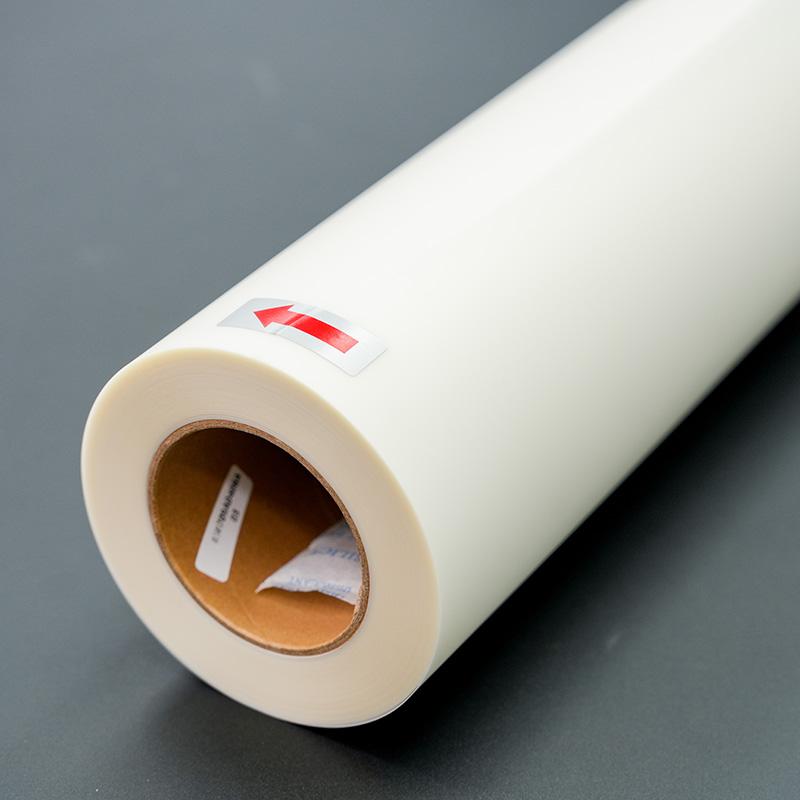
Direct-to-film (DTF) printing is a rapidly growing sector, with market projections showing an increase from $2.72 billion in 2024 to $3.92 billion by 2030. Central to this process is the choice between hot and cold peel powders. Hot peel powder suits high-volume production, offering speed and a glossy finish. Cold peel dtf transfer film and powder provides superior detail, durability, and a premium matte finish for complex designs.
Choosing the right DTF powder is a critical decision that directly impacts workflow efficiency and final product quality. The fundamental distinction between hot and cold peel powders lies in their release properties and the resulting finish on the garment. Printers must evaluate project requirements against the unique characteristics of each powder type. A successful outcome depends on matching the correct dtf transfer film and powder to the specific application, whether prioritizing speed for bulk orders or detail for premium apparel.
This table provides a direct comparison of the most important attributes for each powder type.
| Feature | Hot Peel Powder | Cold Peel Powder |
|---|---|---|
| Peel Time | Immediate (while hot) | Delayed (after cooling) |
| Finish | Glossy, slightly raised | Matte, smooth, soft-hand feel |
| Detail Level | Good for simple graphics | Excellent for fine lines & text |
| Durability | Standard | Superior, high wash resistance |
| Speed | ⚡️ Fastest workflow | Slower, requires cooling time |
| Feel | Firmer, more noticeable | Softer, integrates into fabric |
Pro Tip: The choice of powder influences more than just the peel. It defines the final texture and perceived quality of the print. A glossy hot peel finish can make colors pop, while a matte cold peel finish offers a more subtle, high-end aesthetic.
Printers select hot peel DTF powder when their primary goals are speed and production volume. This adhesive is engineered for an immediate peel, creating a workflow that prioritizes efficiency without significant compromise on quality for many common applications. It is the go-to choice for businesses that need to deliver large orders on tight deadlines.
The defining advantage of hot peel powder is its contribution to a rapid production cycle. The process eliminates the cooling period required by cold peel alternatives. Operators can press a garment, peel the film away immediately, and move to the next item with virtually no downtime. This immediate feedback loop also allows for quick quality checks.
The impact on throughput is significant, especially in a commercial setting. A single operator with one heat press can achieve a much higher output per hour.
| DTF Type | Production Speed (per hour) | Additional Time per Garment |
|---|---|---|
| Hot Peel | >100 shirts (with single heat press) | Virtually no downtime |
| Cold Peel | Slower | 30 seconds to 1 minute or more |
This accelerated workflow directly translates to lower labor costs per unit and the ability to accept rush jobs, providing a strong competitive edge.
Hot peel powder excels in scenarios where speed and cost-effectiveness are paramount. It is the ideal solution for high-volume orders with simpler graphics, such as promotional event t-shirts, company logos, or team jerseys. The resulting glossy finish makes colors appear vibrant and bold, which is often desirable for promotional apparel.
Compatibility with common fabrics makes hot peel a versatile workhorse. The standard hot melt adhesive is optimized for the most frequently used apparel materials.
| Fabric Type | Compatibility with Hot Peel DTF Powder |
|---|---|
| 100% Cotton | Optimal |
| Cotton/Poly Blends | Optimal |
| Treated Polyester (some types) | Optimal |
This standard dtf transfer film and powder offers a soft feel and good elasticity on these materials, making it suitable for a wide range of everyday garments.
Achieving a flawless hot peel transfer requires precision in both setup and execution. Following best practices ensures a clean release and a durable print every time.
Calibrate Heat Press Settings: Success begins with the correct temperature, time, and pressure. Always perform a test press on scrap material before starting a production run. For polyester and synthetic blends, a light to medium pressure setting often yields better results than the firm pressure used for other methods.
Ensure Proper Powder Application and Curing: The adhesive powder must be applied evenly across the entire design. Insufficient or uneven powder can lead to poor adhesion. Equally important is the curing process. The powder must be fully melted until it has a uniform, orange-peel-like texture before it is pressed onto the garment.
Troubleshoot Adhesion Issues: If a transfer peels incompletely, it often points to a problem in the process.
Troubleshooting Common Hot Peel Problems:
Issue: Incomplete Transfer or Peeling: This is frequently caused by improper heat press settings. Low temperature, insufficient pressure, or inadequate pressing time can prevent a strong bond. The solution is to re-check your equipment and apply the transfer again using the manufacturer's recommended settings.
Issue: Poor Adhesion: This can result from using too little powder, old or poor-quality powder, or not curing the powder long enough. Printers should ensure a consistent powder coating and use fresh, high-quality adhesive for a reliable bond.
Master the Peel Technique: The final step is the peel itself. An operator should pull the film back in a single, smooth, and confident motion while the garment is still on the heat press platen. A hesitant or jerky peel can cause parts of the design to lift or tear.
Printers turn to cold peel DTF powder when the project demands premium quality, intricate detail, and maximum longevity. This method involves a deliberate cooling period after pressing, which allows the adhesive to fully bond with the fabric fibers. The result is a transfer that feels softer, looks more integrated, and withstands the rigors of use and washing far better than its hot peel counterpart.
The primary advantage of cold peel powder is its ability to produce exceptionally detailed and durable prints. The cooling process is critical. It allows the melted adhesive to settle completely into the fabric's weave before the film is removed. This creates a stronger, more permanent bond that excels in two key areas: detail reproduction and wash resistance. Fine lines, small text, and complex patterns transfer cleanly without distortion.
This robust bond directly translates to superior longevity. Industry wash tests demonstrate the resilience of properly applied cold peel transfers. High-quality prints can endure more than 50 wash cycles with minimal to no fading. Reports from testing facilities confirm that these transfers resist cracking and peeling, maintaining their original appearance long after application. A black print, for example, can remain fresh and unfaded even after approximately 52 washes, proving the method's capability for creating lasting apparel.
Cold peel powder is the definitive choice for high-end apparel, complex graphics, and specialty materials where performance cannot be compromised. It is ideal for fashion brands, detailed merchandise, and performance wear.
The elasticity of cold peel transfers makes them particularly suitable for stretchable fabrics. The cooling period reduces stress on the transfer, allowing the ink and adhesive to form a flexible layer that moves with the fabric. This prevents the cracking often seen with less-suitable methods on activewear.
| Feature | Hot Peel on Stretchable Fabrics | Cold Peel on Stretchable Fabrics |
|---|---|---|
| Elasticity | Prone to cracking or lifting when stretched. | Pattern remains intact during wear; superior grip. |
| Durability | Adhesion may weaken with repeated stretching. | Provides a stronger, lasting attachment. |
| Fabric Suitability | Not advised for Lycra, spandex, or nylon. | Highly suitable for leggings, performance wear, and jackets. |
Furthermore, cold peel is the preferred method for challenging substrates. The strong adhesion achieved during the cooling phase makes it effective for materials like leather and nylon. For nylon, which is heat-sensitive, the cold peel process ensures the adhesive sets fully without damaging the fabric. On leather, it prevents lifting and creates a bond that holds up to flexing and use. When working with any tricky material, the combination of a quality dtf transfer film and powder with a cold peel process maximizes success.
Achieving a perfect cold peel requires patience and attention to detail. Following a precise methodology ensures a clean release and a professional, matte finish.
Allow for Complete Cooling. The most crucial step is patience. The transfer must cool down completely to room temperature before an operator attempts to peel the film. This process can take a few minutes but is essential for the adhesive to set and bond securely to the garment. If any peeling difficulty occurs, allowing more cooling time is the first and most effective solution.
Use a Low and Slow Peel. Once the transfer is fully cool, the operator should peel the film back at a low angle, almost parallel to the garment. Use a single, slow, and continuous motion. Avoid yanking or pulling the film straight up, as this can cause the edges of the design to lift or tear.
Calibrate Heat Press Settings. Correct temperature and pressure are vital. Many professionals find success by preheating the bottom platen of the heat press to ensure consistent heat.
Recommended Starting Point:
Temperature: 325-330°F (163-165°C)
Time: 15 seconds
Pressure: Medium to firm
Troubleshoot Lifting Edges. If the edges of a design are not adhering properly, it points to an issue in the process.
Quick Fixes for Poor Adhesion:
Check Cooling: First, ensure the transfer was 100% cool before peeling. Any residual warmth can compromise the release.
Verify Heat: Confirm the heat press is reaching and holding the target temperature. An inconsistent press can cause uneven adhesion.
Examine the Glue: Before pressing, inspect the cured powder on the film. If areas that are lifting on the final garment correspond to thin or uneven powder coverage, the issue lies in the powdering stage.
The performance differences between hot and cold peel powders originate from their chemical composition and interaction with the transfer film. These material science principles dictate the release timing, final finish, and overall durability of the DTF transfer. Understanding this science helps printers make informed decisions for every project.
The release agent on the DTF film is a primary differentiator. Cold peel films often utilize a silicone-based release agent. This material provides high stability during the heat press process. It requires a complete cooling period (to below 55°C) before it will release the transfer cleanly. This controlled release is what produces the signature matte finish and prevents design damage. Hot peel films, in contrast, use agents formulated for immediate release under heat.
The cooling phase in the cold peel process is essential for superior adhesion. This waiting period of 30 to 60 seconds allows the melted adhesive to fully cure and establish a robust bond with the fabric's fibers. This process results in noticeably sharper fine lines and a significantly softer texture. The adhesive solidifies completely within the garment's weave before any peeling force is applied, creating a stronger, more integrated, and durable print.
A successful print depends on the synergy between the film and the powder. The film's specifications must match the intended peel method. For instance, hot peel films are often designed with specific properties for rapid production.
| Specification | Detail |
|---|---|
| Film Type | Premium PET transfer film |
| Thickness | 75µm |
| Feature | Anti-skid side for stability |
Equally important is the powder's particle size, or micron rating. The choice of dtf transfer film and powder directly impacts the level of detail possible.
Fine Details: Require finer powders, typically in the 0-80 micron range.
Intricate Designs: Smaller granules ensure ink and adhesive properly fill thin lines and small text.
In the pursuit of a custom solution, some printers wonder if they can combine hot and cold peel powders. The short answer is no. Mixing these adhesives is a gamble that compromises the reliability of the DTF process. Each powder type has a distinct chemical formulation engineered for a specific release window and bonding behavior. Attempting to blend them creates an unstable and unpredictable product.
Printers should not mix hot and cold peel powders due to their fundamentally incompatible properties. Each powder is designed to work with a specific type of release film and melt at a precise temperature to achieve its intended peel characteristic. A hot peel powder contains agents that facilitate an immediate release, while a cold peel powder is formulated to bond deeply during a cooling phase.
The Chemical Mismatch: Combining these powders creates a hybrid adhesive with no clear identity. The mixture will not peel cleanly when hot, nor will it bond properly after cooling. This conflict prevents a consistent and reliable transfer process, leading to failed prints and wasted materials.
Using a mixed powder introduces significant risks and guarantees inconsistent results. The most immediate problem is a failed peel. The transfer may lift partially, tear, or leave adhesive residue on both the garment and the film. This unpredictability makes production inefficient and costly. Even if a transfer seems successful initially, the long-term durability is severely compromised. 👎
The resulting prints often suffer from critical defects that ruin the garment's quality and lifespan. Common issues include:
Edge lifting, especially after washing or stretching
Surface cracking appearing on thicker layers of ink
Unnatural stiffness that creates a heavy, plastic-like feel on the garment
These poor outcomes lead to customer dissatisfaction, wasted inventory, and damage to a printer's professional reputation. Sticking to the correct, unmixed powder for the job is essential for quality control.
Selecting the right powder becomes simple with a clear understanding of project goals. This checklist helps printers quickly determine the best adhesive for any job, ensuring optimal results and efficient workflow management.
Printers should select hot peel powder when the project aligns with these specific production needs. It is the workhorse for speed and volume.
✅ Speed is your top priority. Your business needs to complete large orders on tight deadlines.
✅ You are printing in high volume. The job involves hundreds or thousands of identical items, like promotional t-shirts.
✅ The designs are relatively simple. Graphics consist of bold text, company logos, or blocky shapes without fine details.
✅ A glossy finish is desirable. The client wants colors to appear bright and vibrant for maximum visual impact.
A printer should opt for cold peel powder when the final product must meet premium standards of quality and durability. It is the choice for high-end applications.
🏆 Quality is non-negotiable. The project is for a retail brand or high-end client demanding a superior look and feel.
🏆 The design is complex. Artwork includes intricate lines, small text, or photorealistic details that must transfer perfectly.
🏆 Maximum durability is essential. The garment must withstand frequent washing and stretching without cracking or fading.
🏆 A soft, matte finish is required. The goal is a premium, integrated feel where the transfer feels like part of the fabric.
🏆 You are printing on specialty fabrics. The job involves stretchable materials like spandex or challenging substrates like nylon.
The best powder is always determined by project goals. Printers choose hot peel for speed and efficiency, making it ideal for high-volume orders. They select cold peel for its superior detail and durability, perfect for premium apparel. Stocking both types gives a print shop maximum operational flexibility to meet any client's needs.
No, DTF film is designed for single use. The film's special release coating is consumed during the initial press. Attempting to reuse it results in failed transfers and potential garment damage.
A second press is highly recommended for all DTF applications. This step significantly improves washability and durability. It also helps create a softer feel by embedding the design into the fabric.
Pro Tip: A 5-10 second final press with parchment paper enhances the matte finish on cold peel transfers and boosts longevity for both types.
Printers must store DTF powder in a cool, dry environment. They should keep the container sealed and away from moisture to prevent clumping and preserve the adhesive's performance.



Select the most popular foreign trade service products to meet your diverse needs
Select the most popular foreign trade service products to meet your diverse needs

Tel: +86 17706217416
Add: Building L2A, No. 520, Lane 1588, Zhuguang Road, Hongqiao World Center, Qingpu District, Shanghai, China






User Comments
Service Experience Sharing from Real Customers
James Wilson
Print Shop OwnerThe DTF transfer film and powder combo has revolutionized our custom apparel business. The colors are incredibly vibrant, and the transfer is durable even after multiple washes. A game-changer for detailed designs!
Sophia Chen
Product DesignerAs a designer, I need reliable materials. This DTF film and powder produce sharp details and excellent color fidelity on dark fabrics. The process is straightforward, and the results are consistently professional.
Michael Rodriguez
Production ManagerOur throughput has increased significantly since switching to this DTF system. The powder adheres perfectly with minimal waste, and the transfers are flexible and soft on the final product. Highly efficient for bulk orders.
Emily Brown
Small Business OwnerStarting my own t-shirt line was daunting, but this DTF transfer film and powder made it so much easier. The quality is top-notch, giving my products a premium feel. Customer feedback on print durability has been fantastic.