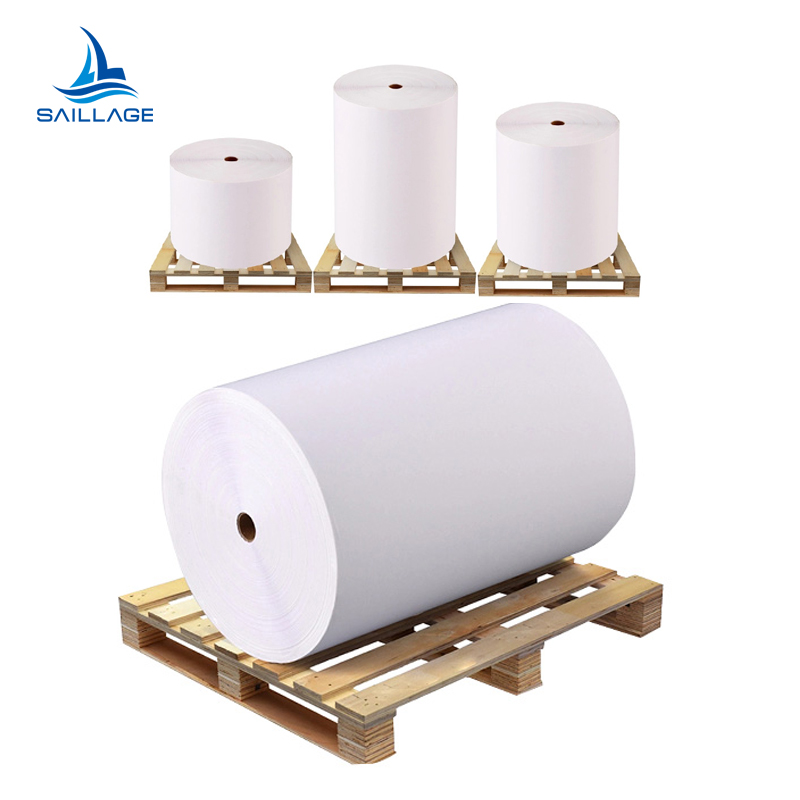
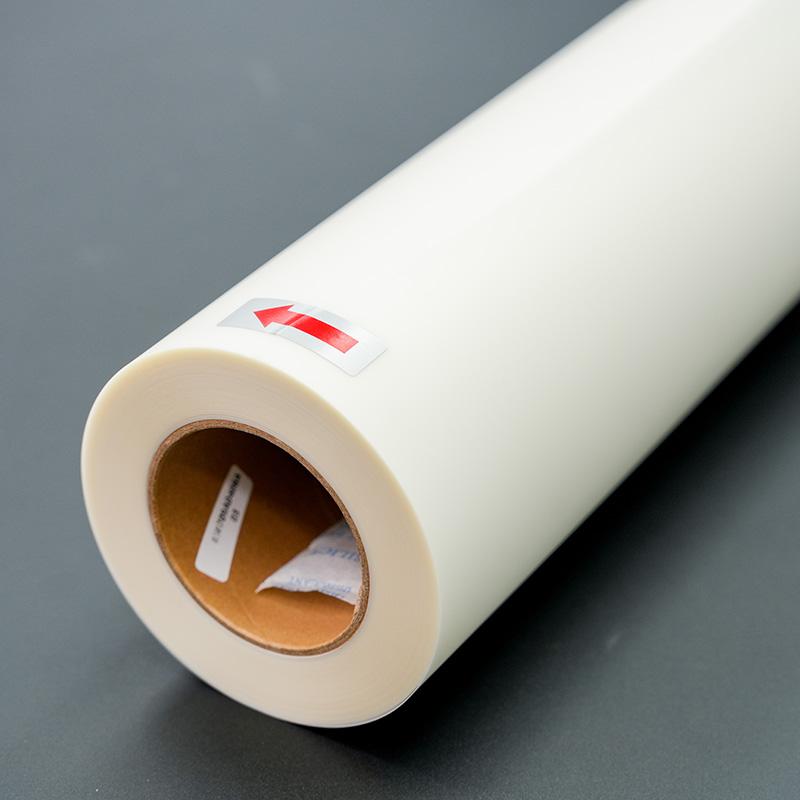
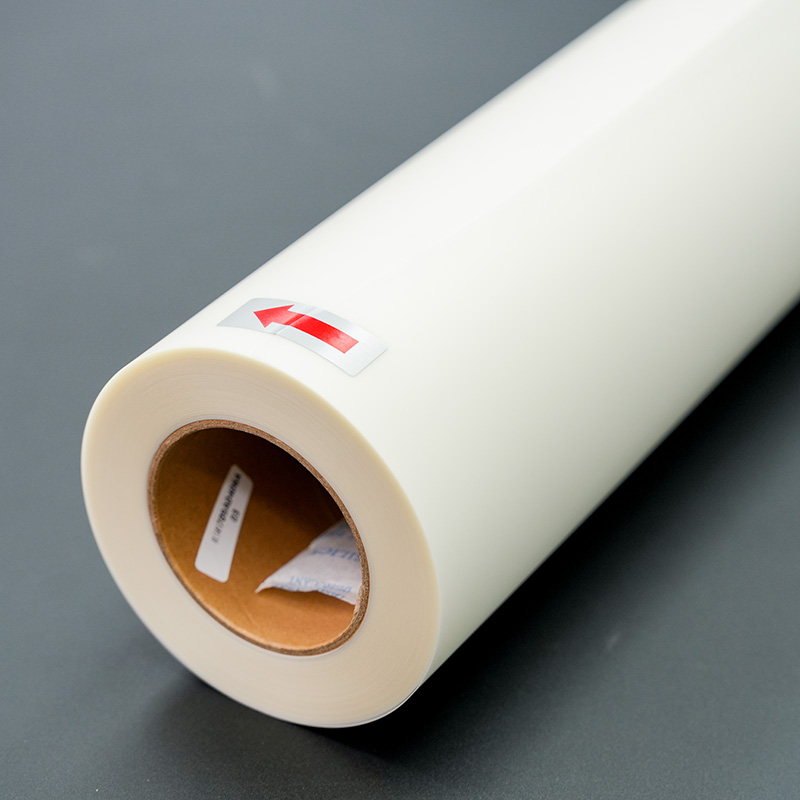
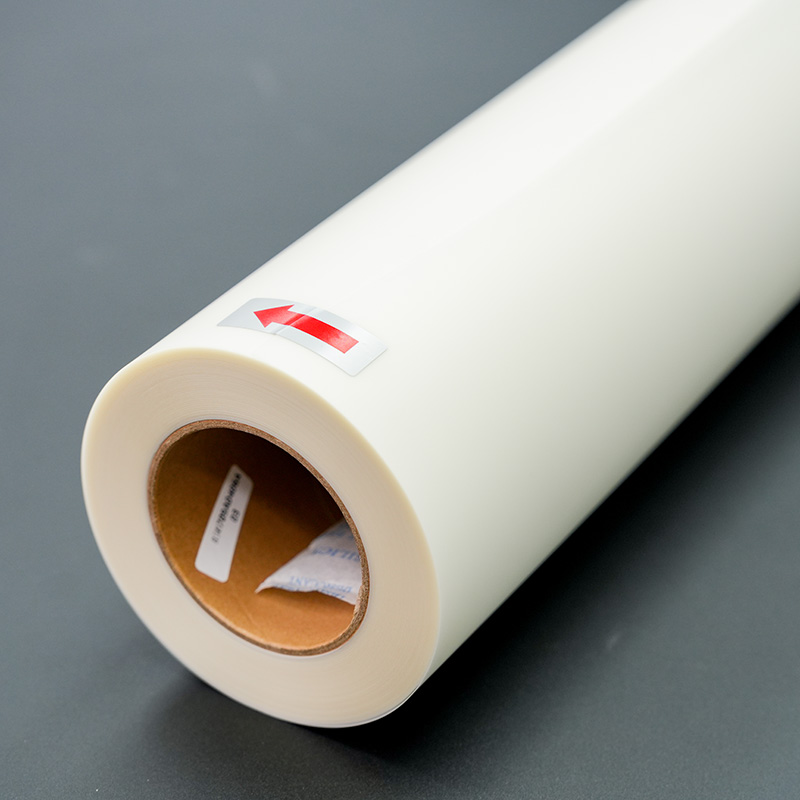
What are the advantages of BOPP film
Third, BOPP film offers great versatility and safe...
More
Direct-to-Film (DTF) printing is reshaping the garment decoration industry. Its versatility and cost-effectiveness are key advantages driving its rapid growth over other methods.
| Feature | DTG (Direct-to-Garment) | DTF (Direct-to-Film) |
|---|---|---|
| Popularity Trend | Losing ground to DTF | Rapidly gaining popularity |
| Material Range | Best on cotton materials | Works on polyester, leather, blends |
Pro Tip: Success depends on the right materials. Use white dtf powder and film for standard jobs on cotton and poly-blends. Reserve black powder specifically for dark, bleed-prone polyester to stop dye migration and ensure a perfect print every time.
White DTF powder is the foundation of most print shops' daily operations. Its reliability and versatility make it the default choice for a vast majority of garment decoration jobs. Understanding its strengths and weaknesses is the first step toward flawless production.
Printers rely on white DTF powder for its consistent, high-quality results across a wide range of applications. Its status as the industry standard comes from several key advantages.
Exceptional Versatility: It adheres beautifully to many fabrics. This includes 100% cotton, poly-cotton blends, and even light-colored polyester. This wide compatibility allows shops to service more clients with a single, reliable adhesive.
Superior Elasticity: The powder is a specially formulated Thermoplastic Polyurethane (TPU) Hot Melt Adhesive. This high-purity polyurethane composition gives the final transfer incredible flexibility. The design stretches with the fabric, preventing the cracking and peeling common with older transfer methods.
| Powder Type | Material Composition | Elasticity |
|---|---|---|
| White DTF Powder (TPU) | 100% high-purity polyurethane | Excellent flexibility; stretches with fabric |
| PES Powder | Polyester | Less elastic; more rigid |
| PA Powder | Polyamide | Good balance of elasticity and durability |
Vibrant Color Expression: The white adhesive layer acts as a brilliant white underbase for your design. This base layer ensures that your ink colors appear bright and true to the source file, even on mid-toned garments.
Efficient Curing Process: The curing process for white powder is fast and well-documented. Printers can achieve a perfect melt using various equipment, ensuring a strong bond and quick turnaround times. Proper curing is visible when the powder turns from a white solid to a transparent, glossy finish.
| Curing Method | Temperature | Time |
|---|---|---|
| Heat Press | 320–350°F (160–177°C) | 30–60 seconds |
| Convection Oven | 302°F (150°C) | 2–3 minutes |
| Heat Gun | 300–320°F (150–160°C) | 10–20 seconds |
Despite its strengths, white DTF powder has one critical limitation: it offers no protection against dye migration.
Dye migration occurs when heat from the press causes dyes within a synthetic fabric (like polyester) to turn into a gas. This gas permeates the transfer's adhesive layer and permanently stains the white base and the ink above it. A crisp white print on a red sublimated jersey can turn pink. A bright yellow design on a black polyester shirt can appear dull and discolored.
Note: White DTF powder does not contain the charcoal-activated agents needed to block dye migration. Using it on dark, bleed-prone polyester or any sublimated garment will almost certainly result in a damaged, unsellable product. This single weakness is the primary reason black DTF powder was developed.
When white DTF powder reaches its limit, black DTF powder steps in as the essential specialist. This adhesive was engineered for one primary purpose: to defeat dye migration on challenging synthetic fabrics. Printers who work with performance wear, team jerseys, or dark polyester garments will find black powder to be an indispensable tool for delivering flawless, durable prints.
Black DTF powder's value comes from its ability to solve a problem that can ruin entire batches of apparel. Its unique composition provides a powerful defense where standard adhesives fail.
Complete Dye Blocking ✅: The primary advantage is its chemical makeup. Black DTF powder is infused with activated carbon (charcoal). This carbon acts as a powerful absorption agent. During heat pressing, as the fabric dyes turn to gas, the carbon layer traps and neutralizes them. This prevents the dyes from reaching and staining the white ink layer, ensuring a crisp, bright design.
Perfect for Problematic Fabrics: It is the go-to solution for garments notorious for dye bleed. This includes 100% dark polyester, sublimated sports jerseys, and softshell jackets. Using black powder on these materials is not just a recommendation; it is a requirement for professional-quality results.
Guaranteed Safety and Quality: Reputable manufacturers ensure their specialized powders are not only effective but also safe for consumer use. High-quality black powders meet stringent safety certifications, giving print shops confidence in their final product.
For example, some industry-leading powders have earned a CPSC Children’s Product Certificate. This certification indicates the product adheres to strict safety standards, making it reliable for use on textiles for all ages, including children's apparel.
Pro Tip: Think of the black powder layer as a charcoal filter for your transfer. It purifies the interaction between the fabric and your ink, guaranteeing the color you printed is the color the customer sees.
Black powder is a specialist, not a generalist. Using it outside of its intended application can create new problems, increase costs, and deliver a subpar product. Understanding its limitations is just as important as knowing its strengths.
Color Dulling on Light Garments 🛑: The most significant drawback is its effect on light-colored fabrics. The black adhesive creates a dark underbase behind the ink. This is not a problem on dark garments, but on light ones, it can negatively impact the final appearance.
When printing on white, beige, or pastel-colored fabrics, the black underlayer can show through the ink.
This effect causes the printed colors to appear dull, muted, or grayish, compromising the design's vibrancy. White DTF powder is always the correct choice for these jobs.
Increased Material Cost: Specialized materials often come at a higher price. Black DTF powder is typically more expensive than its white counterpart. Using it on standard cotton or light poly-blend jobs, where it offers no dye-blocking benefit, unnecessarily inflates production costs and reduces profit margins.
| Powder Type | Best Use Case | Cost Factor |
|---|---|---|
| White Powder | Cotton, Poly-Blends, Light Polyester | Standard |
| Black Powder | Dark/Sublimated Polyester, Bleed-Prone Synthetics | Higher |
Risk of Shop Contamination: Black powder is a fine, dark dust that can be messy. If a shop is not careful, cross-contamination can occur. A few stray granules of black powder in your white powder shaker can lead to ugly black specks on a clean white print, forcing a reprint. This requires stricter organization and cleaning protocols when switching between powder types.
Dye migration is a costly chemical reaction that can ruin a print job. It occurs when applying heat to certain synthetic fabrics, causing the garment's color to bleed into the DTF transfer. Understanding this process is the key to preventing it and protecting your products.
Fabric dye bleed begins with heat. When a heat press reaches temperatures between 260–330°F (127–165°C), the dyes used in many synthetic garments become unstable. This heat causes the solid dye particles to transform into a gas, a process known as sublimation. This gaseous dye then permeates the transfer's adhesive and stains the ink layers above it. A white print can turn pink on a red shirt, or a yellow design can look muddy on a black one.
This issue is most common with specific materials. Printers must be cautious with fabrics like:
Sublimated Polyester: The inks used to color these garments are designed to activate with heat, making them highly susceptible to bleeding during transfer application.
Softshell Jackets: The dyes in softshell materials can also become gaseous under heat, leading to discoloration of the print.
Other Synthetically Dyed Garments: Many modern fabrics use dyes that can unexpectedly bleed when heat is applied.
Black DTF powder provides a powerful solution to dye migration. Its effectiveness comes from a key ingredient: activated carbon, or charcoal. This material is integrated directly into the adhesive powder.
Think of it as a built-in filter. The black powder creates a protective barrier between the fabric and the ink.
During the heat pressing process, as the fabric's dyes turn into a gas, they rise toward the transfer. The activated carbon layer in the black powder intercepts and absorbs these gaseous dyes. This action traps the unwanted color, preventing it from reaching and contaminating the white underbase and colored ink layers of the design. The result is a crisp, clean print that maintains its intended vibrancy, even on the most challenging bleed-prone fabrics.
Selecting the correct materials is a critical step that directly impacts print quality, durability, and efficiency. A systematic approach to choosing your dtf powder and film ensures every project starts on the right foundation, preventing costly errors and reprints.
Printers can simplify their choice by answering a few key questions about the job. The fabric is the most important factor. For most jobs, white powder is the correct choice. For bleed-prone synthetics, black powder is necessary.
Decision Checklist:
What is the fabric? Cotton and poly-blends work with white powder. Dark or sublimated polyester requires black powder.
How detailed is the design? Finer powder particle sizes are better for intricate designs, as they produce a smoother finish with less residue.
What feel is desired? High-quality powders result in a soft, flexible design that is comfortable to wear.
The table below provides a clear summary for quick reference.
| Garment Type | Recommended Powder | Reason |
|---|---|---|
| Cotton, Poly-Blends, Light Polyester | White Powder | Ensures color vibrancy; cost-effective. |
| Dark Polyester, Sublimated Jerseys | Black Powder | Blocks dye migration for a crisp print. |
The film you choose works in tandem with the powder to create the final transfer. The right pairing of dtf powder and film is essential for both print quality and production speed. Printers should select a film based on the project's specific needs.
Cold Peel Film: This film requires cooling completely before peeling. Printers use it for designs that demand high precision and sharp, intricate details.
Hot Peel Film: This film allows for immediate peeling after pressing. It significantly speeds up production, making it ideal for high-volume orders.
Single-Sided vs. Double-Sided Film: Single-sided film is standard for vibrant designs. Double-sided film offers enhanced grip in the printer, which can improve reliability and prevent slippage, especially with white ink printing.
Following a consistent process ensures every print meets professional standards. The application for each powder is similar, but the decision of which to use is critical. This guide breaks down the steps for both white and black DTF powders.
Printers should use white DTF powder for the vast majority of their jobs. It is the correct choice for fabrics that do not pose a risk of dye migration.
Print the Design: Print the DTF transfer onto the film. The printer will lay down the color layer first, followed by a white ink overprint.
Apply the Powder: While the ink is still wet, apply an even coat of white DTF powder across the entire design. Ensure complete coverage.
Cure the Transfer: Melt the powder using a heat press, convection oven, or heat gun. The powder will transform from a white solid into a glossy, transparent orange-peel texture.
Press the Garment: Apply the finished transfer to the garment, which can be cotton, a poly-blend, or light-colored polyester.
Use black DTF powder exclusively for dark polyester, sublimated jerseys, and other bleed-prone synthetic fabrics. Proper handling is essential to prevent contamination and ensure effectiveness.
Print and Powder: Print the design and apply the black powder using the same method as the white powder. Use dedicated tools and a separate application area to avoid cross-contaminating your white powder supply.
Cure and Press: Cure the transfer until the black powder melts into a uniform layer. Then, press the design onto the problematic garment. The black powder layer will now act as a barrier against dye migration.
Handle and Store Correctly: Proper storage preserves the powder's quality.
Keep black powder in a clearly labeled, airtight container to protect it from moisture and dust.
Store containers in a cool, dry environment, ideally between 65°F and 77°F (18°C to 25°C).
Always use clean, dry, and dedicated scoops for black powder to prevent mixing it with other materials.
Mastering DTF printing involves knowing not just what to do, but what not to do. Avoiding a few common powder-related errors will save printers time, money, and materials while protecting their professional reputation. These mistakes are simple to prevent with the right knowledge.
The most frequent and costly error is using standard white DTF powder on sublimated polyester or other bleed-prone synthetic garments. This mistake guarantees a failed print.
Warning 🚨: When heat is applied, the dyes in a sublimated jersey will sublimate, or turn into a gas. This gas penetrates the white adhesive and permanently stains the ink. A white design on a red jersey will turn pink. This process, known as dye migration, ruins the garment. There is no way to fix it. This single error wastes a transfer, a garment, and the printer's valuable time.
While black powder is a problem-solver, it is a specialist tool. Using it incorrectly creates new issues and reduces profitability. Printers should avoid using it for standard jobs on cotton or light-colored fabrics.
Increased Production Cost: Black DTF powder is more expensive than white powder. Using it on a simple cotton shirt, where it provides no benefit, needlessly inflates material costs.
Color Dulling on Light Garments: The black adhesive layer acts as a dark underbase. For full-color designs on white or pastel shirts, this can make the colors appear muted and grayish, compromising the design's vibrancy.
Shop Contamination: The fine black dust can easily contaminate a workspace. Stray black powder granules can ruin prints that require clean white adhesive, forcing reprints.
In some niche cases, such as black-only text on a white shirt, black powder can offer a softer feel and eliminate the white "halo" effect. However, for most jobs, this is not the intended use.
| Aspect | Black Powder for Black-Only Designs on Light Fabric |
|---|---|
| Appearance | Creates a clean, natural matte finish without white edges. |
| Feel | Results in a very smooth and soft-to-the-touch print. |
| Print Edge | The black adhesive makes the design's edge nearly invisible. |
For all standard full-color jobs on light fabrics, white powder remains the correct and most effective choice.
Printers should use white dtf powder and film for most jobs, ensuring vibrant colors on standard fabrics. Black dtf powder and film serves as the essential tool for dark, bleed-prone polyester. Mastering the correct dtf powder and film choice eliminates costly errors, protects a shop's reputation, and guarantees perfect prints.
Printers should never mix powders. This action compromises the black powder's dye-blocking ability. It also contaminates the white powder, leading to inconsistent results and potential print failures.
Finer powders (around 80 microns) suit detailed designs. Coarser powders work well for simple, blocky graphics. The choice depends on the artwork's complexity and desired texture.
The film choice affects production speed, not powder type. Hot peel film speeds up high-volume jobs. Cold peel film provides maximum detail and precision for intricate designs.
Note: Always match the film's peel instructions to your process. Using the wrong method can damage the transfer, regardless of the powder used.
Enhancing TIG Welding: Essential Facts About WT20 Thoriated Tungsten Electrodes
Leading Precoating Materials for Advanced Filtration Systems: A 2025 Outlook
Ensuring Safety: Best Practices for Storing Nitric Acid Securely
Tablet Sampling Machines: An Ultimate Guide for Laboratory Selection
Capsule Sorters: Understanding Their Vital Role in Efficient Defect Removal



Select the most popular foreign trade service products to meet your diverse needs
Select the most popular foreign trade service products to meet your diverse needs

Tel: +86 17706217416
Add: Building L2A, No. 520, Lane 1588, Zhuguang Road, Hongqiao World Center, Qingpu District, Shanghai, China






User Comments
Service Experience Sharing from Real Customers
Michael Chen
Production ManagerThe DTF PET transfer film is exceptional. The release is clean and consistent, and the film's dimensional stability has drastically reduced our misalignment waste. A game-changer for our high-volume apparel production.
Sarah Johnson
Graphic Designer & Print Shop OwnerAs a small business owner, print quality is everything. This film delivers brilliant color transfer and fine detail reproduction on various fabrics. The ease of weeding and lack of residue save me hours. Highly recommended!
David Rodriguez
Procurement SpecialistWe've tested several DTF films, and this PET film offers the best balance of cost and performance for our needs. Excellent opacity for dark garments and reliable performance. One point off as the initial rolls had slight curling, but the supplier quickly addressed it.
Lisa Wang
R&D TechnicianFrom a technical standpoint, this film's carrier layer and adhesive coating are top-notch. It ensures minimal stretch during printing and heat pressing, resulting in precise registration and vibrant, durable prints. It has become our standard film in the lab.