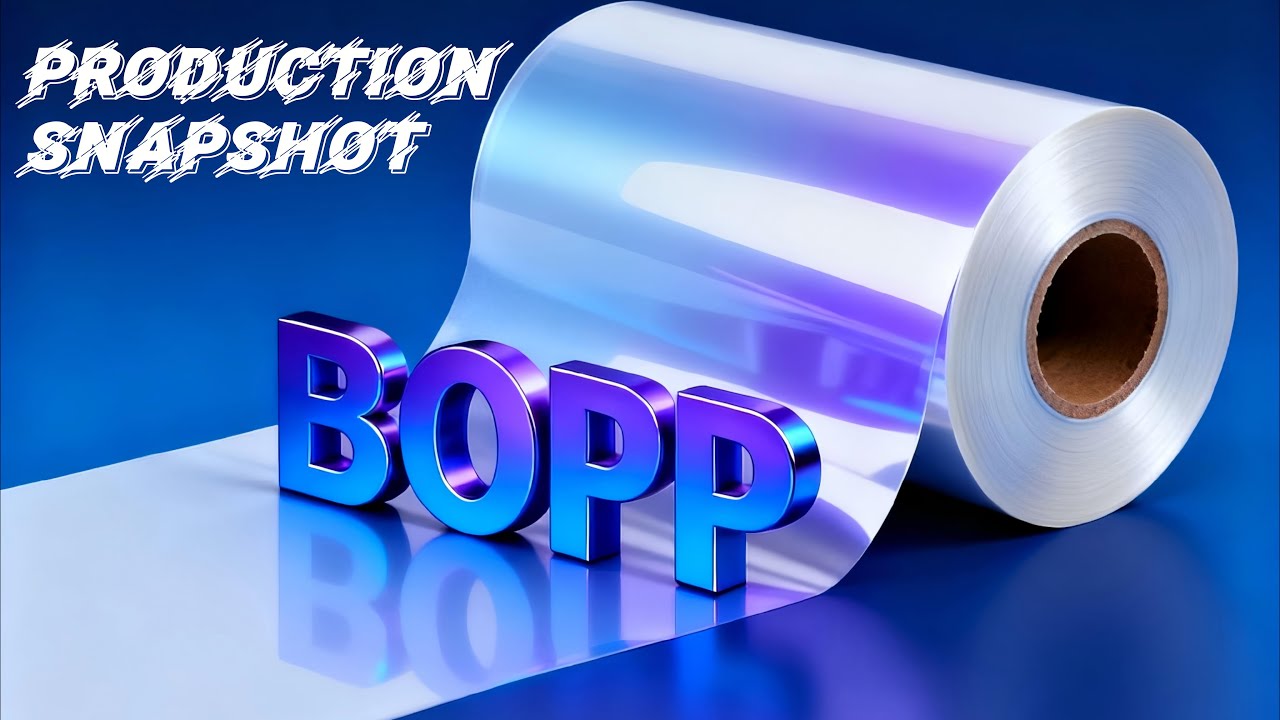
What are the advantages of BOPP film
Third, BOPP film offers great versatility and safe...
More
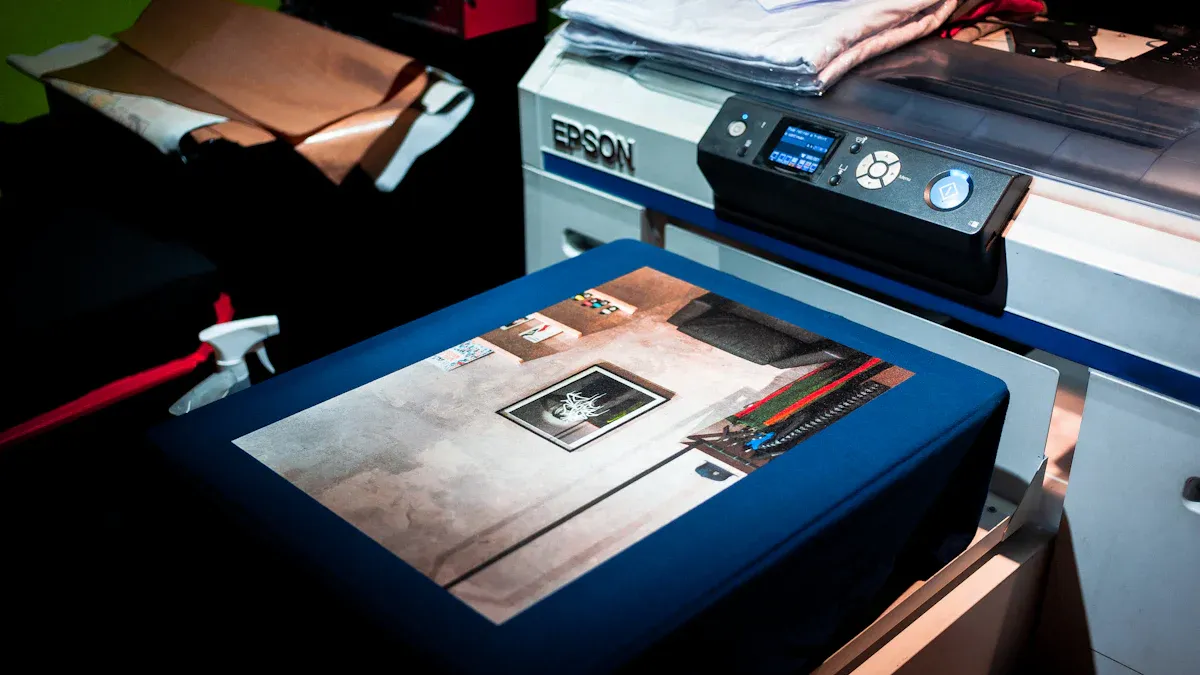
Printers select hot peel film for high-volume jobs requiring speed and efficiency with simple graphics. Conversely, dtf cold peel film excels with intricate designs, offering maximum durability and ease of use for beginners. The superior choice ultimately hinges on the specific priorities of each printing project.
Hot peel film is fast. It works best for many simple designs. This film helps print shops make many shirts quickly.
Cold peel film is for detailed designs. It makes prints last longer. This film is good for new users and complex artwork.
Choose your film based on your project. Hot peel is for speed. Cold peel is for quality and small details.
Printers leverage hot peel DTF film when the primary goals are speed and workflow optimization. This film type allows for the immediate removal of the transfer sheet after heat pressing, eliminating the cooling period required by its cold peel counterpart. The result is a significantly faster production cycle, making it the superior choice for specific applications where time is a critical factor.
In a commercial printing environment, time directly equates to profit. Hot peel film is the engine of high-volume production, enabling shops to process more garments in less time. The ability to press a shirt, peel the film instantly, and move to the next item creates a continuous and efficient workflow. This speed is not just a minor convenience; it represents a substantial increase in output capacity.
The time savings are significant, especially across large orders. A direct comparison illustrates the efficiency gains:
| Process Type | Total Time for 20 Shirts | Time per Shirt (approx.) |
|---|---|---|
| Hot Peel (Instant Peel) | 27 minutes 49 seconds | 1 minute 24 seconds |
| Cold Peel | 48 minutes 59 seconds | 2 minutes 27 seconds |
| Time Savings per Shirt | 21 minutes 10 seconds (total) | 1 minute 3 seconds |
This efficiency translates directly into quicker turnaround times for customers and higher throughput for the business. For print shops handling hundreds or thousands of items for events, uniforms, or promotional merchandise, these saved minutes multiply into hours of gained production time.
💡 Pro Tip: To maximize a high-volume hot peel workflow, professionals often establish a production line. They group garments by fabric type to streamline temperature adjustments and pre-heat multiple items to maintain a steady pace. Using several rotating Teflon sheets also prevents production bottlenecks while waiting for a sheet to cool.
Hot peel film excels when used for designs characterized by bold graphics, thick lines, and large blocks of color. The immediate peeling process works best with less complex artwork, as there is a lower risk of delicate details lifting or tearing away from the garment.
This makes it an ideal choice for:
Company logos
Event branding with large text
Team numbers and names on jerseys
Simple, graphic-based apparel lines
The nature of the hot peel transfer often results in a slightly more textured, matte finish that integrates well into the fabric. This aesthetic is highly desirable for streetwear and casual apparel, where a softer, more "printed-on" look is preferred over a glossy, plastic feel. The process is less forgiving for photorealistic images or designs with fine, intricate linework, which are better suited for the cold peel method.
While hot peel film is faster, it demands a higher level of precision and process control, making it better suited for experienced operators. The window for a perfect peel is immediate and brief. Users must have a confident and consistent technique to pull the film away smoothly without hesitation. Any delay can cause the adhesive to cool partially, leading to an incomplete transfer.
Experienced operators understand the nuances of the process, but they can still encounter issues. Recognizing common mistakes is key to consistent quality.
| Mistake | Causes | Solutions |
|---|---|---|
| Incomplete Transfer | Insufficient heat or uneven pressure prevents the adhesive from fully melting and bonding to the fabric. | Optimize press settings for the specific film and fabric. Always pre-press garments to remove moisture and ensure a flat surface. |
| Fading or Cracking | Improper curing of the ink or adhesive, or using harsh washing methods. | Follow the manufacturer's curing guidelines precisely. Advise customers to wash garments inside out in cold water and tumble dry on low. |
| Blurry or Distorted Prints | Clogged print heads, incorrect RIP software settings, or high humidity can affect print clarity. | Perform regular printer maintenance, including nozzle checks. Maintain a stable temperature and humidity in the printing environment. |
| White Edges or Halos | The white underbase layer is misaligned or slightly larger than the color layer, often due to film shrinkage or registration issues. | Choke (slightly reduce the size of) the white underbase in the design software. Regularly calibrate the printer to ensure accurate channel registration. |
| Poor Hand Feel | Applying too much adhesive powder or ink results in a thick, rubbery texture on the garment. | Use a shaker to apply a thin, even layer of adhesive powder. Adjust ink limits in the RIP software to prevent overly thick ink layers. |
Beyond avoiding errors, seasoned professionals use advanced methods to elevate their hot peel projects:
They create complex, multi-color designs by layering multiple hot peel transfers.
They combine DTF with other methods, like heat transfer vinyl, for unique mixed-media effects.
They experiment with specialty glitter or metallic inks to add texture and visual appeal.
Mastery of the hot peel process allows an experienced user to unlock maximum speed without sacrificing the potential for creative and high-quality results on appropriate designs.
While hot peel film champions speed, dtf cold peel film prioritizes superior quality, unparalleled detail, and exceptional durability. The defining feature of this method is the cooling period between pressing the design and removing the film. This intentional delay allows the adhesive to fully cure and bond with the fabric fibers, creating a transfer that excels in both appearance and longevity. This makes it the definitive choice for premium products and complex projects.
Cold peel film is the undisputed leader for reproducing artwork with high levels of complexity. The slow cooling process is critical for preserving fine details. As the transfer cools, the adhesive deeply penetrates the fabric, ensuring every element of the design adheres precisely. This method prevents delicate lines or small text from lifting prematurely with the film, a common risk with the immediate pull of hot peel transfers. For optimal results, designers should ensure lines are at least 1mm thick to prevent details from getting lost, especially when printing a white underbase on dark garments.
The process significantly enhances the final appearance, resulting in more vivid colors and sharper edges. This makes complex and detailed designs appear clear and accurate on the final garment. Industry experts often recommend specific films for these applications.
Nano DTF Film is an excellent option for detailed logos and fine-line work, featuring an anti-static layer that prevents adhesive powder from clumping around small details.
Kodak Cold Peel Film is recognized for delivering vibrant colors and long-lasting adhesion, with many print shops reporting fewer misprints on complex jobs.
For photographic prints, Kodak DTF Film excels at reproducing fine gradients and high-fidelity colors, making it ideal for artist merchandise and custom portrait apparel.
The cooling step inherent to the dtf cold peel film process ensures that small fonts and intricate lines remain crisp and professional.
The strong bond formed during the cooling phase gives cold peel transfers superior durability. This method creates a transfer that is highly resistant to the stresses of wearing and washing. For items intended to last for years, such as premium apparel, team uniforms, or personalized gifts, cold peel is the recommended choice for its quality and longevity.
Wash tests consistently demonstrate the resilience of cold peel transfers.
| Feature | Hot Peel | Cold Peel |
|---|---|---|
| Durability | Moderate | Superior (better for frequent washing) |
| Washing | Cracking and fading are possible with frequent washes. | The stronger bond resists cracking, peeling, and fading after repeated washes. |
Real-world applications confirm these results. A transfer for a boutique brand, for example, can still look new after months of use and multiple wash cycles. In contrast, hot peel transfers produced for single-day events often show wear much sooner. This resilience also extends to elasticity.
On Elastic Fabrics (Spandex/Lycra): The cold peel process is far more dependable. The cooling period allows the ink to settle and form a flexible bond that moves with the fabric. This ensures the pattern remains intact during wear and is recommended for leggings and performance wear.
Hot Peel on Elastic Fabrics: The abrupt film removal can cause cracking or lifting at the edges. The transfer is less flexible and may show ink flaking after only a few washes.
The cold peel method is not only for experts seeking quality; it is also remarkably forgiving, making it an excellent starting point for newcomers to DTF printing. The extended cooling time removes the pressure of a perfect, immediate peel. This gives beginners ample time to learn the process without the stress of a split-second action.
💡 Beginner's Guide: Following a structured process ensures consistent results.
Design & Print: Create a high-resolution (300 DPI) design and print it onto the matte side of the PET film.
Powder & Cure: Evenly apply DTF powder to the wet ink and cure it in an oven or with a hover press until it melts into a smooth, orange-peel texture.
Press: Pre-press the garment to remove moisture. Set the heat press to 300–325°F (150–163°C). Position the transfer, secure it with heat-resistant tape, and press with firm pressure for 8-10 seconds.
Cool & Peel: This is the crucial step. Allow the garment and film to cool completely to room temperature. Once cool, start at a corner and gently peel the film back. If the paper is difficult to peel, it needs more time to cool.
Final Press: For enhanced durability, cover the design with a parchment or Teflon sheet and press again for 9-10 seconds. Wait 24 hours before the first wash.
This forgiving nature also makes cold peel the go-to method for specialty fabrics. Materials like nylon and leather require a strong, reliable bond. The cold peel process ensures the adhesive fully sets on these tricky surfaces, reducing the chance of lifting. For nylon, printers often use lower heat settings (285-305°F) and a protective cover sheet to achieve a durable transfer without damaging the heat-sensitive material.
The choice between hot and cold peel film extends beyond the production process; it directly influences the final look and feel of the garment. Each method produces a distinct finish that suits different aesthetic goals and product types.
Hot peel transfers often yield a finish with a slightly textured, matte appearance that integrates well into the fabric's weave. This creates a softer, more "printed-on" look favored for casual apparel. The final hand feel and breathability depend heavily on several factors. Printers can achieve a lighter, more flexible print by optimizing their technique.
Adjusting Ink Levels: Controlling ink application, especially the white underbase, prevents a thick, rigid print.
Using Halftone Designs: This technique uses tiny dots to reduce overall ink coverage, enhancing softness and flexibility.
Choosing Quality Consumables: High-grade ink, film, and powder are essential for achieving a soft texture and avoiding a coarse feel.
These adjustments contribute to enhanced breathability compared to some traditional printing methods, making the garment more comfortable to wear.
The dtf cold peel film method is renowned for producing a smooth, vibrant, and slightly thicker finish with a premium matte look. This finish minimizes glare and ensures the design looks sharp and professional under various lighting conditions. The single matte surface of the film allows for superior ink absorption, resulting in crisp lines and stunning definition, even in complex artwork. The cooling period is a critical step in this process.
The cooling process helps the design bond with the fabric more firmly, resulting in a soft hand feel and a little increased shelf life.
This strong bond not only improves durability but also gives the transfer a smooth, almost seamless feel on the garment, enhancing the perceived quality of the final product.
Choosing the right DTF film requires a clear understanding of how each type performs across key metrics. While hot peel film offers unmatched speed for high-volume jobs, dtf cold peel film provides superior detail and wash resistance. The best option depends entirely on the specific demands of the project, from production timelines to the desired quality of the final garment. This side-by-side comparison breaks down the essential differences to help printers make an informed decision.
This table provides a direct comparison of the most important attributes for both hot peel and cold peel films.
| Feature | Hot Peel Film | Cold Peel Film |
|---|---|---|
| Workflow Speed | ⚡️ Faster. The film is peeled immediately after pressing, creating a rapid, continuous workflow ideal for batch production. | Slower. Requires a complete cooling period before peeling, which is better suited for one-off prints or when quality is the top priority. |
| Design Detail | Good. Best for simple, bold graphics and text. Fine lines or intricate details carry a higher risk of lifting during the peel. | ✨ Excellent. The slow cooling process ensures even the most delicate lines and small text adhere perfectly, resulting in crisp, sharp details. |
| Durability & Washability | Moderate. The aggressive bond can be more prone to cracking over time with repeated, harsh washing. | Superior. Forms a more flexible, resilient bond that withstands cracking and peeling, ensuring better color retention through many wash cycles. |
| Final Feel & Finish | Softer & Matte. Often results in a slightly textured, matte finish that integrates well into the fabric for a "printed-on" feel. | Smoother & Premium. Produces a smooth, vibrant, and slightly thicker finish with a premium matte appearance. |
| Ease of Use | For Experts. Requires a confident, immediate peeling technique. Hesitation can lead to a failed transfer. | ✅ Beginner-Friendly. The cooling period removes time pressure, making the peeling process more forgiving and consistent for new users. |
Achieving a flawless DTF transfer requires mastering the peel. Both hot and cold peel methods have specific techniques that, when followed, ensure consistent, professional results. Operators can prevent failed prints by understanding the nuances of each process.
Success with hot peel film depends on speed and confidence. The operator must peel the film immediately after the press opens in one smooth, continuous motion. Any hesitation allows the transfer to cool unevenly, risking an incomplete bond. A low, consistent angle during the peel helps prevent the design from lifting. Calibrating heat press settings is also critical for success.
Printers should adjust settings based on the garment's material for optimal adhesion.
| Material Type | Temperature | Time | Pressure |
|---|---|---|---|
| 100% Polyester | 270°F (132°C) | 7-10 seconds | Medium to firm |
| Polyester Blends | 275-280°F (135-138°C) | 7-10 seconds | Medium to firm |
| Performance Fabrics | 280°F (138°C) maximum | 7-10 seconds | Medium to firm |
The cold peel process prioritizes patience. The most critical step is allowing the garment and film to cool completely to room temperature before peeling. This can take 30 to 60 seconds. The film should feel cool to the touch.
To ensure a perfect transfer, always pre-press the garment for 2-3 seconds. This action removes hidden moisture and wrinkles, creating a flat surface for superior adhesion.
Once cooled, operators should start peeling from a corner, pulling the film back slowly and evenly. If any part of the design begins to lift, it indicates the transfer is not cool enough. In that case, stop peeling, let it cool longer, and then try again. Maintaining a log of settings for different fabrics helps replicate perfect results every time.
Printers choose hot peel film for speed on high-volume jobs. They select cold peel for superior detail and beginner-friendly application. Always test films on specific fabrics to confirm results. A business's preferred method may evolve; for instance, one shop reduced misprints by 30% after switching to cold peel to prioritize quality.
Printers should avoid using hot peel film for highly detailed artwork. The immediate peeling process risks lifting fine lines. Cold peel film provides superior results for intricate designs.
Both films work on polyester. Printers use hot peel for speed on large orders. They choose cold peel for performance wear requiring maximum durability and stretch.
No, one quality heat press works for both films. Operators simply adjust the temperature and time settings according to the film manufacturer's instructions for each type.



Select the most popular foreign trade service products to meet your diverse needs
Select the most popular foreign trade service products to meet your diverse needs

Tel: +86 17706217416
Add: Building L2A, No. 520, Lane 1588, Zhuguang Road, Hongqiao World Center, Qingpu District, Shanghai, China






User Comments
Service Experience Sharing from Real Customers
Michael Chen
Graphic DesignerThe DTF cold peel film is a game-changer for our small apparel shop. The transfer process is incredibly smooth, and the final print is vibrant and durable even after multiple washes. Highly recommended for custom t-shirt printing!
Sarah Johnson
Print Shop ManagerExcellent film quality with consistent results. The cold peel feature makes production faster and reduces errors for our team. The colors come out sharp and bright on various fabrics. A reliable product for commercial DTF printing.
David Rodriguez
EntrepreneurAs someone who recently started a merch business, this film has been perfect. It's user-friendly, peels cleanly when cold, and the prints look professional. Customer satisfaction on our custom hoodies has gone up significantly since we switched to this film.
Lisa Wang
Production SpecialistSuperior film for high-volume orders. It feeds through our DTF printer without jamming, and the low-temp peel saves us so much time in production. The finished product has excellent stretch and wash resistance, which is crucial for sportswear.