How to Classify BOPP Films According to Their Surface Condition
BOPP Film (Biaxially Oriented Polypropylene Film) ...
More
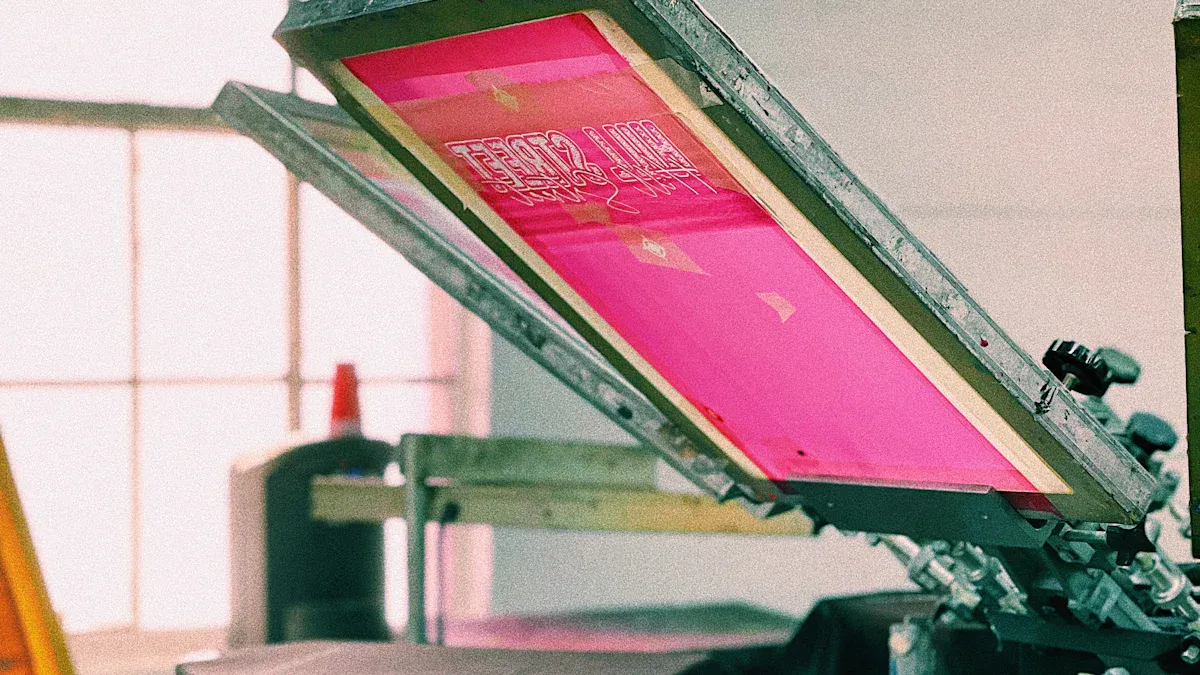
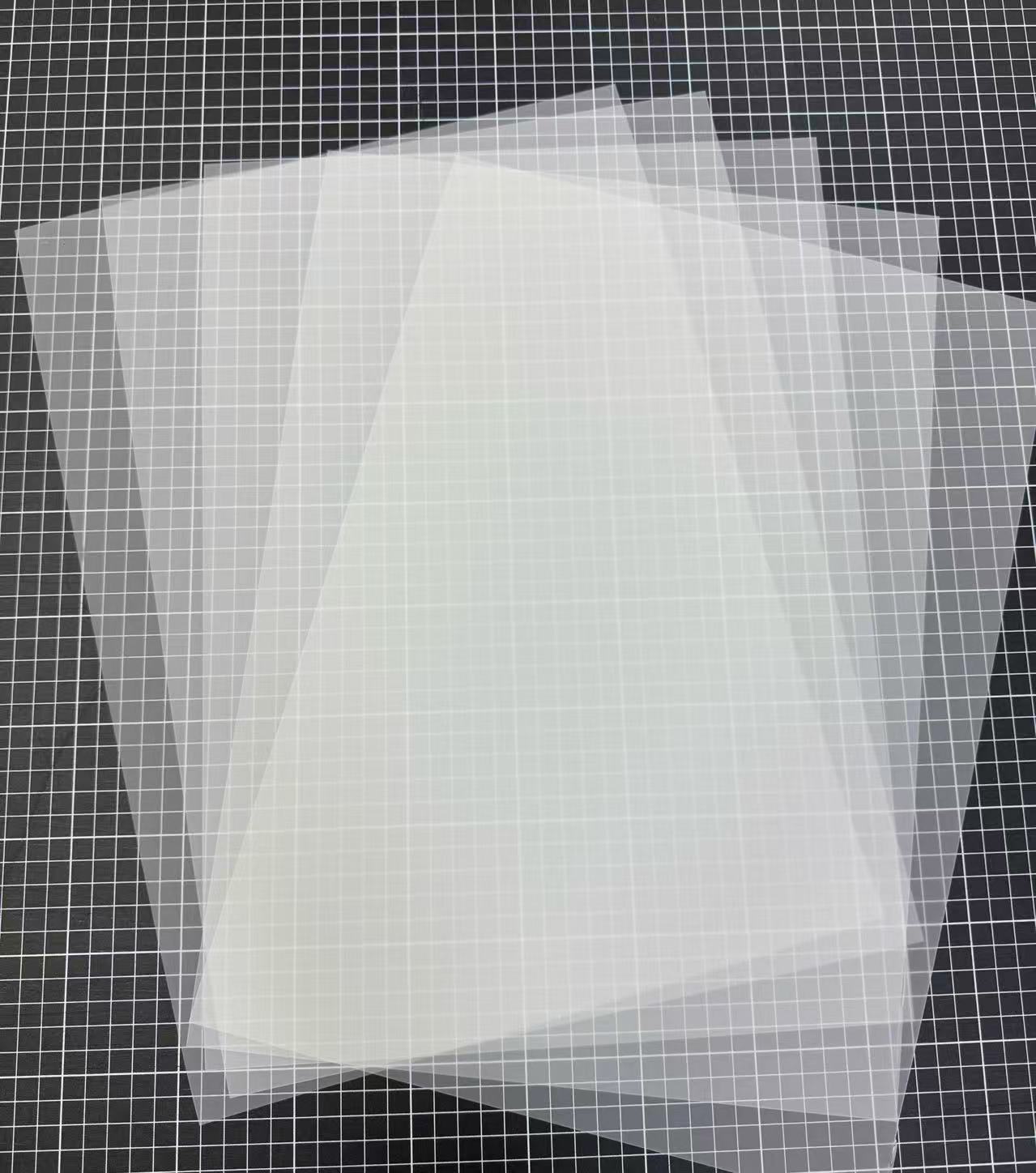
Direct-to-Film (DTF) provides an excellent solution for full-color, detailed designs or small orders. Printers use custom dtf film sheets to achieve this versatility. Conversely, screen print transfers are the cost-effective choice for simple, one-to-three color designs when producing larger quantities of 25 or more items.
DTF printing is best for detailed designs with many colors. It works well for small orders.
Screen printing is good for simple designs with few colors. It saves money on large orders.
Both methods make durable prints. DTF feels soft. Screen print has a classic, thicker feel.
The choice between DTF and screen print transfers often depends on the design's intricacy and color requirements. Each method offers distinct advantages for different artistic visions. A design's complexity directly impacts which printing technique will deliver the best results.
DTF printing excels with complex, photorealistic designs. This method supports an unlimited color palette, making it ideal for gradients, detailed illustrations, and high-resolution photographs. The technology achieves this remarkable detail through a precise process.
Specialized inkjet printers transfer high-resolution designs onto custom dtf film sheets.
A white ink underbase is printed first, ensuring colors appear vibrant and opaque on any color garment.
Printers use CMYK and white inks, managed by RIP software, to guarantee color accuracy and perfect ink layering.
This advanced technique allows for the faithful reproduction of virtually any digital image onto fabric.
Screen print transfers are the industry standard for bold, simple graphics. This method works best for designs with one to three distinct colors. Printers create a separate screen for each color in the design. They then press the ink through the screen to create the transfer. This process produces incredibly vibrant and opaque spot colors with crisp, clean edges.
Pro Tip: Choose screen print transfers for logos, text-based designs, or bold graphics. The method creates a classic, punchy look that stands out, especially in bulk orders where color consistency is key.
The result is a durable, classic print with a distinct feel, perfect for brand merchandise and team apparel.
A project's budget often dictates the best printing method. The total quantity of items is the single most important factor when comparing the cost of DTF and screen print transfers. Each method has a clear financial advantage at different order volumes.
DTF printing is the undisputed champion for small-batch production and on-demand orders. This method has no per-design setup fees. Businesses can print a single, full-color transfer or several dozen without incurring high initial costs. This flexibility empowers startups and small brands to launch new products with minimal investment.
A financial analysis for a small business highlights this advantage:
The total cost for a single A3-sized DTF print is approximately $4.50, covering film, ink, and powder.
Selling a finished t-shirt for $20 yields a gross profit of $15.50 per item.
A business can recover a $5,000 initial investment in equipment and supplies within one to two months, demonstrating a rapid return on investment.
This model makes DTF an extremely lucrative option for testing designs or fulfilling personalized orders.
Screen print transfers become highly cost-effective for large quantities. The process involves a significant upfront setup cost. Printers must create a separate screen for each color in the design. This initial expense is spread across the entire order. As the quantity increases, the price per transfer decreases dramatically.
The Break-Even Point: Screen printing typically becomes more economical than DTF starting at orders of 25 to 50 identical pieces. For runs of 100 or more, it offers substantial savings.
This economy of scale makes screen printing the go-to choice for corporate events, team uniforms, and large-scale merchandise production where cost per unit is the primary concern.
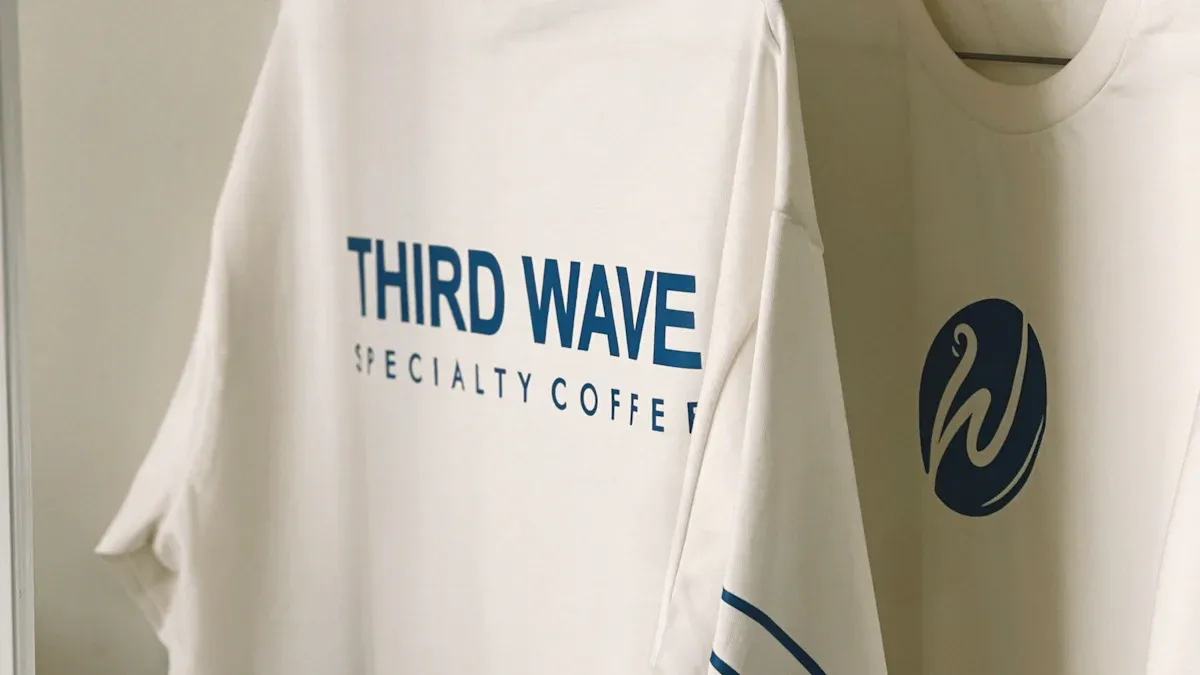
The final "hand," or feel, of a design on a shirt is a crucial factor in the wearer's experience. DTF and screen print transfers create distinct textures that cater to different preferences and applications. The choice impacts how the garment drapes and feels against the skin.
DTF transfers are renowned for their remarkably soft and lightweight feel. The transfer integrates into the fabric's fibers, resulting in a print that is both flexible and breathable. This modern application method produces a finish that feels less like a plastic layer and more like a part of the shirt itself.
Key characteristics of the DTF feel include:
Thin and Pliable: The transfer is extremely thin, allowing it to stretch with the fabric without cracking.
Smooth Surface: It creates a smooth, almost seamless finish that is comfortable to wear.
Excellent Drape: The lightweight nature of the print does not stiffen the garment, preserving its natural drape.
This makes DTF an excellent choice for fashion apparel and performance wear where comfort is paramount.
Screen print transfers offer a more traditional and substantial texture. The ink layer sits on top of the fabric, creating a slightly raised, durable feel that many consumers recognize and prefer for its classic quality. This method produces a tangible, high-quality finish.
A Timeless Texture: The slightly thicker hand of a screen print transfer gives the design a classic, premium feel. It is the texture most people associate with traditional band t-shirts, university sweatshirts, and brand merchandise.
This robust feel reinforces the print's durability, making it a popular option for workwear, team jerseys, and promotional items that require a bold, long-lasting presence.
Both DTF and screen print transfers offer excellent durability for custom apparel. However, they wear and age differently based on their unique properties. Proper care is essential to maximize the lifespan of either print type, but their failure points and resilience levels vary.
DTF transfers are known for their impressive resilience and flexibility. The print integrates with the fabric, creating an elastic layer that stretches without cracking. This modern print holds up exceptionally well to washing and wearing. Its resilience comes from the strong thermoplastic adhesive that bonds the ink securely to the garment's fibers. With proper care, a high-quality DTF print can endure 50+ wash cycles while maintaining its color and structural integrity, showing minimal signs of wear over its lifetime.
Screen print transfers have a long-standing reputation for toughness. The thick ink layer provides a durable, solid print that can last for years. However, this thickness can also be its primary point of failure. Over time, and with improper care, the ink may begin to crack or peel. Maximizing the lifespan of a screen print transfer depends heavily on the laundry process.
Pro Tip: Extending Print Life 💡 To ensure screen print transfers last as long as possible, follow these care instructions:
Wash garments inside out using cold water and a mild detergent.
Avoid bleach and fabric softeners, as they can degrade the ink.
Air drying is the best method to prevent heat damage. If using a machine, choose a low-heat setting.
Never iron directly on the print. Turn the garment inside out or use a protective layer.
Following these steps helps preserve the print's adhesion and vibrant appearance for years.

Applying heat transfers requires precision, but the steps for each method are straightforward. Both DTF and screen print transfers rely on a quality heat press to achieve a permanent bond with the garment. The key differences lie in the specific settings and peeling techniques.
Applying custom dtf film sheets is a relatively simple process that yields consistent, high-quality results. The key is using the correct heat press settings. For most fabrics, a temperature between 300°F-320°F and medium pressure for 12-15 seconds is ideal. The process involves placing the transfer, pressing it, and then peeling away the film.
Hot Peel vs. Cold Peel: Some custom dtf film sheets are "hot peel," meaning the film is removed immediately after pressing. Others are "cold peel," requiring the transfer to cool completely before the film is removed. Following the manufacturer's instructions is crucial for a clean release.
This method's efficiency makes it excellent for producing vibrant, detailed designs quickly.
The application of screen print transfers is a time-tested method that requires careful attention to detail for a flawless finish. An unsuccessful application often results from a few common mistakes.
To ensure a perfect press every time, operators should follow these steps:
Pre-heat the garment for a few seconds to remove any moisture and wrinkles.
Position the transfer on the garment and press using the recommended temperature and firm pressure.
Adhere strictly to the specified peel instructions, whether hot or cold peel, as peeling at the wrong time can ruin the transfer.
Ensure the heat press provides sufficient and even pressure across the entire design to prevent incomplete adhesion.
Proper technique guarantees a durable, classic print that bonds securely to the fabric.
The type of fabric being decorated is a critical factor in choosing the right transfer method. DTF and screen printing each have specific strengths regarding material compatibility. One offers near-universal application, while the other excels on classic apparel textiles.
DTF printing stands out for its exceptional versatility. The adhesive powder used in the DTF process allows the transfer to bond to a vast array of materials without requiring fabric-specific inks or pretreatments. This adaptability makes it a powerful solution for businesses with diverse product offerings.
DTF transfers adhere reliably to:
Cotton and Cotton/Poly Blends
100% Polyester and Tri-Blends
Nylon and Spandex
Leather and even hard surfaces like wood
This broad compatibility empowers creators to apply complex, full-color designs to almost any item, from standard t-shirts to specialized performance gear and promotional products.
Screen print transfers perform best on traditional apparel fabrics, with 100% cotton being the gold standard. Cotton's natural fibers possess excellent heat resistance, allowing them to withstand the high temperatures needed to cure plastisol ink without scorching. The fabric's absorbent nature helps the ink bond securely, creating a durable print that resists cracking and peeling. This strong bond ensures the transfer maintains its quality through repeated washes.
While ideal for cotton, screen print transfers also work very well on cotton/polyester blends. However, printers must exercise caution with heat-sensitive synthetic materials like 100% polyester, as high curing temperatures can damage the fabric.
Businesses select DTF for intricate, multi-color designs or small batches. The use of custom dtf film sheets enables this on-demand model. Screen printing remains the superior choice for simple graphics in bulk orders of 25 or more. Environmental impact also guides the selection process for many brands.
| Environmental Aspect | DTF Printing | Screen Printing |
|---|---|---|
| Waste Reduction | Minimizes waste by using only necessary ink and materials. | Often requires excess ink and materials for screen preparation. |
| Ink Type | Typically uses less harmful, water-based inks. | Traditionally uses plastisol inks; eco-friendly options exist. |
| Energy Consumption | More efficient for small batches due to less setup. | More energy-efficient for large batches as screens are reused. |
Both methods produce high-quality, durable apparel on cotton, polyester, and blends.
Both methods offer excellent durability with proper care. DTF transfers provide superior flexibility and resist cracking. Screen prints are tough but can crack over time without correct washing procedures.
DTF offers greater versatility. It adheres to cotton, polyester, nylon, and even leather. Screen print transfers perform best on cotton and cotton/poly blends due to heat requirements.
Businesses choose DTF for photorealistic designs, color gradients, or small orders. Screen print transfers are more cost-effective for simple, 1-3 color designs in quantities of 25 or more.
Automatic UV Coaters: Essential for Boosting High-Speed Printing Efficiency
2025 Carton Lines: Exploring Trending Folder Gluer Features and Innovations
Discovering Top Precoating Materials for Advanced 2025 Filtration Systems
Eight Best HTN LCD Displays: Unmatched Performance and Reliability
Tablet Sampling Machines: Your Ultimate Guide to Lab Selection



Select the most popular foreign trade service products to meet your diverse needs
Select the most popular foreign trade service products to meet your diverse needs

Tel: +86 17706217416
Add: Building L2A, No. 520, Lane 1588, Zhuguang Road, Hongqiao World Center, Qingpu District, Shanghai, China






User Comments
Service Experience Sharing from Real Customers
Michael Rodriguez
Graphic DesignerThese custom DTF film sheets are a game-changer for our small apparel shop. The color vibrancy and detail on dark fabrics are incredible. The transfer process is clean and the prints are durable after multiple washes. Highly recommend for anyone in custom clothing!
Sarah Chen
Marketing ManagerWe used these sheets for a promotional merchandise campaign. The quality is excellent, and the ability to print complex, full-color designs on demand saved us time and cost. The only minor issue was a slight learning curve with the heat press settings, but results are fantastic.
David Miller
Print Shop OwnerAs a professional in the printing industry, I'm impressed with the consistency and reliability of these DTF films. The sheets feed perfectly through our printer, and the transfers adhere to a wide variety of textiles without issues. A top-quality product that our clients love.
Jessica Williams
Art TeacherI bought these for a school art project where students created their own t-shirt designs. The films were easy to use with our basic printer, and the excitement when the students saw their designs transferred perfectly onto fabric was priceless. Durable and vibrant results!