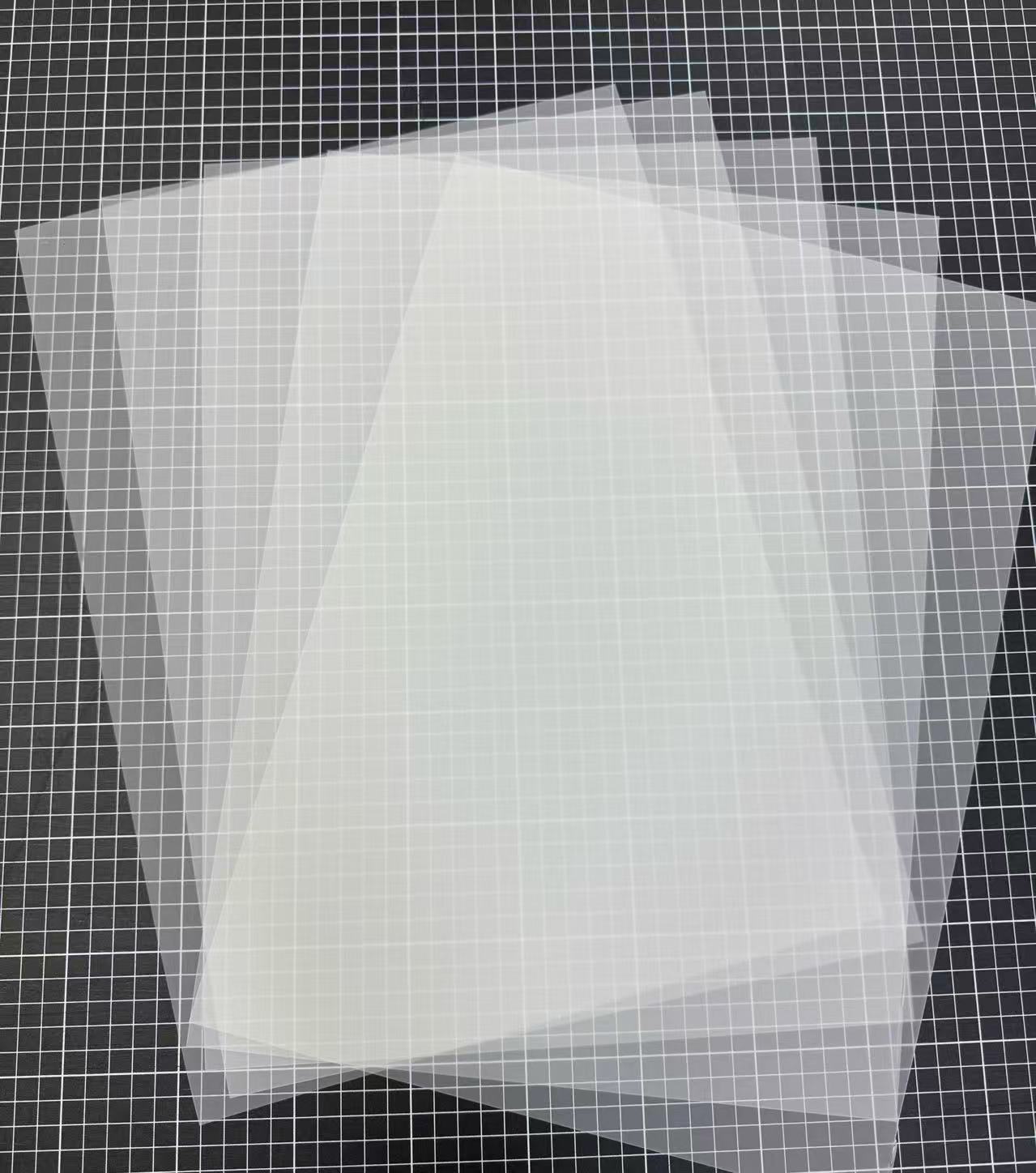
DTF Film: The Secret to Perfect Halloween Shirts
Make your Halloween tees shine with SAILLAGE’s DTF...
More
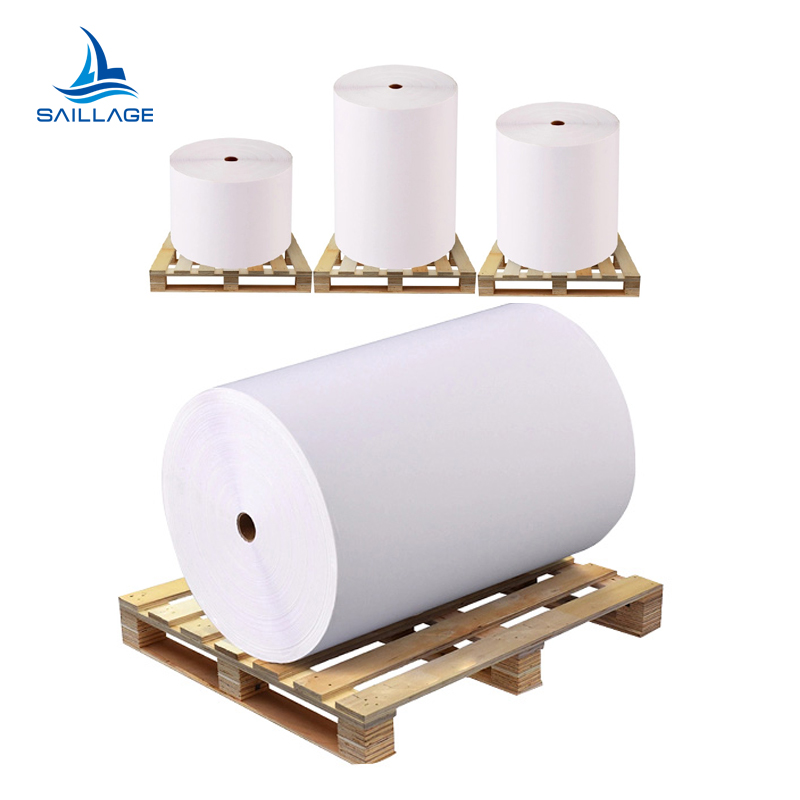
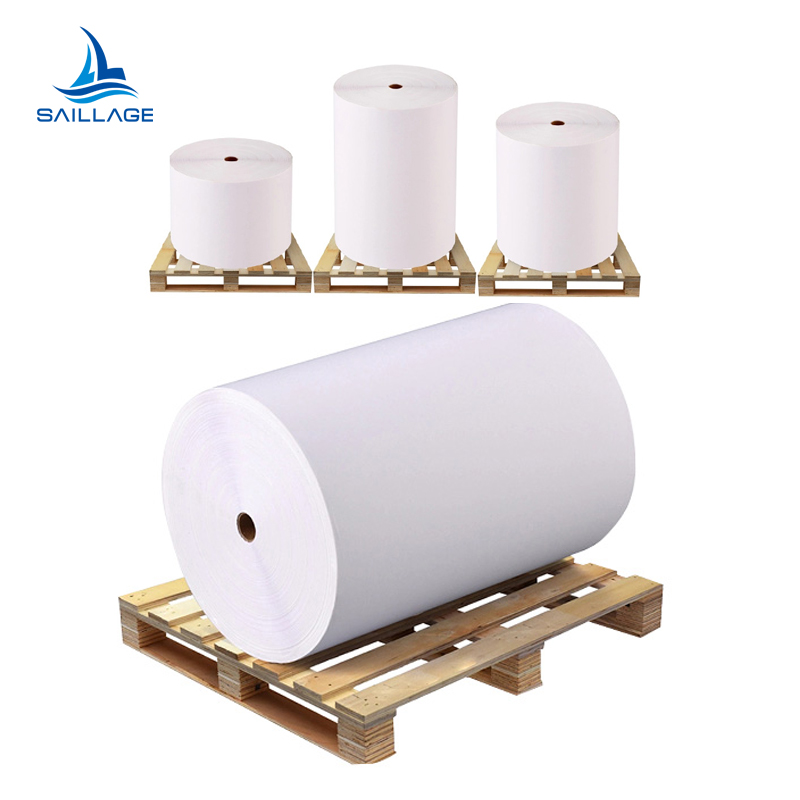
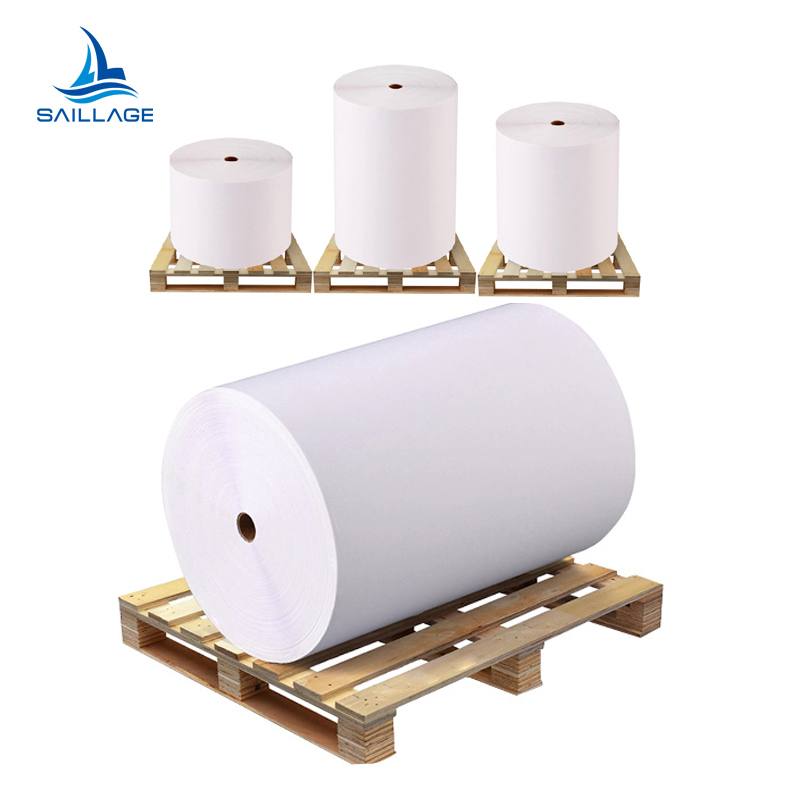
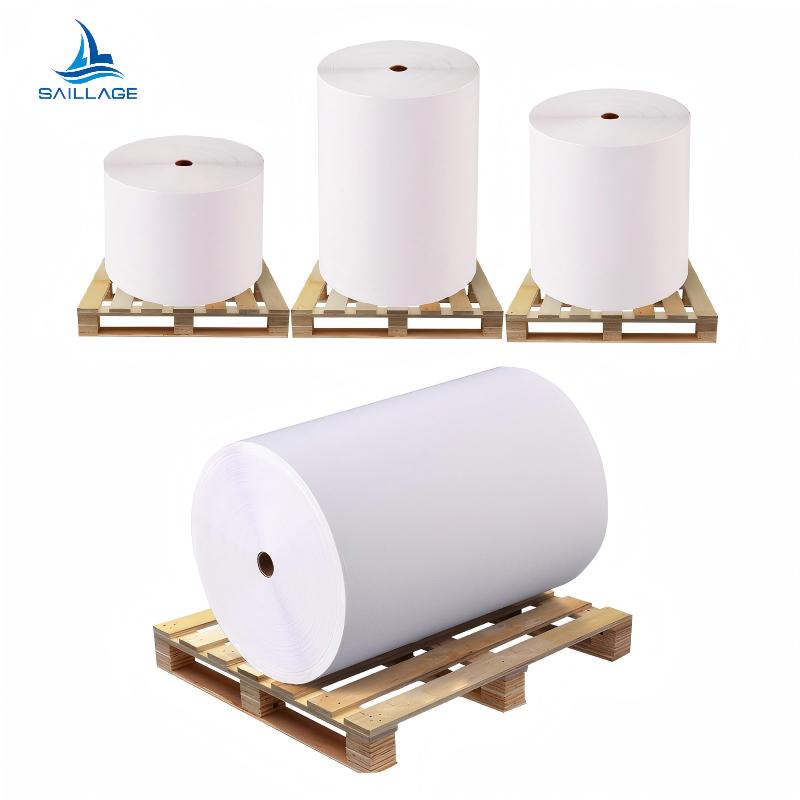
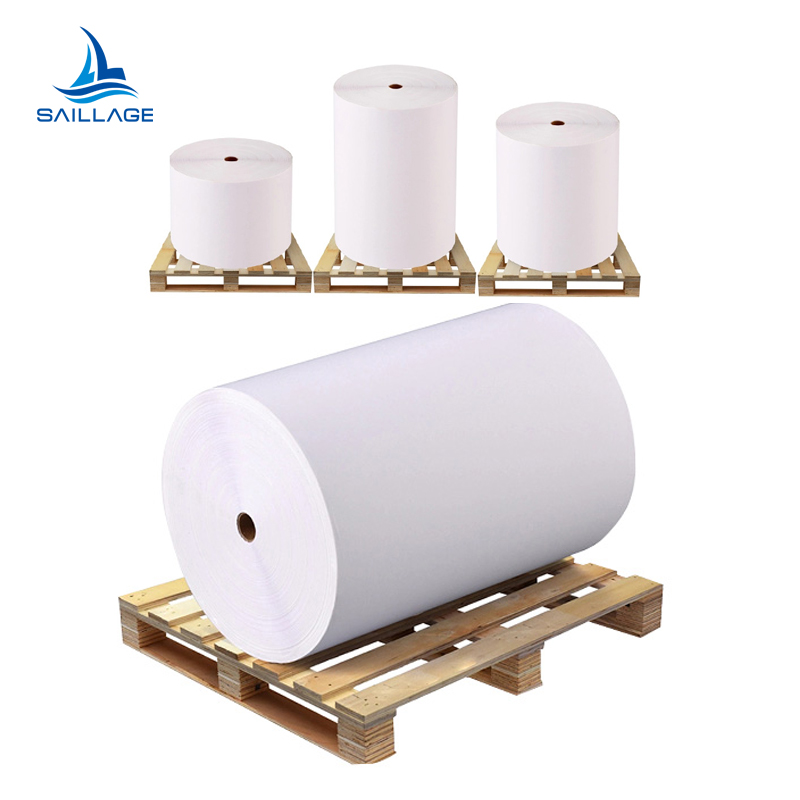
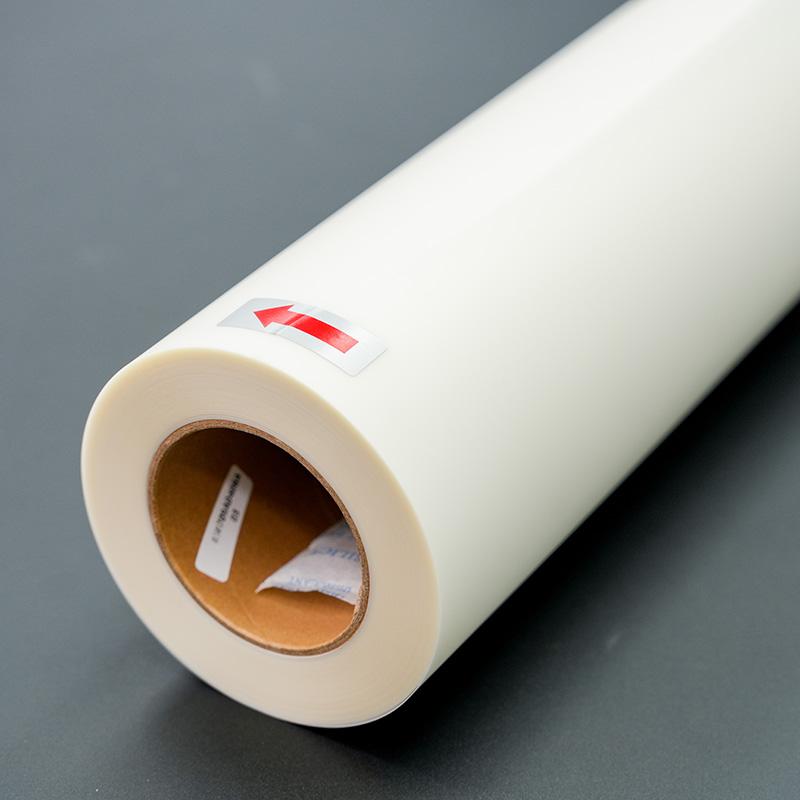
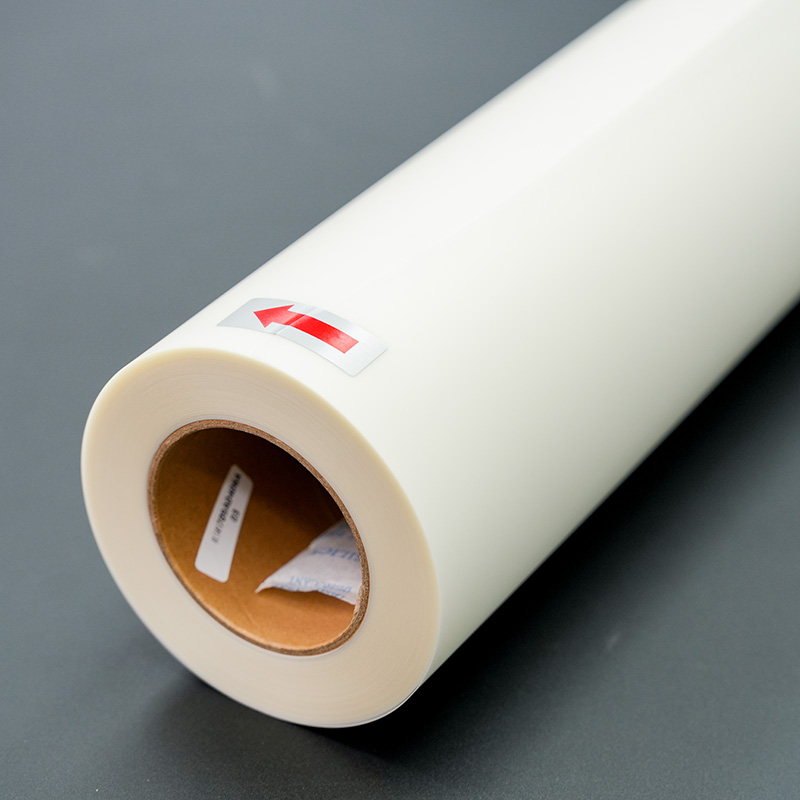
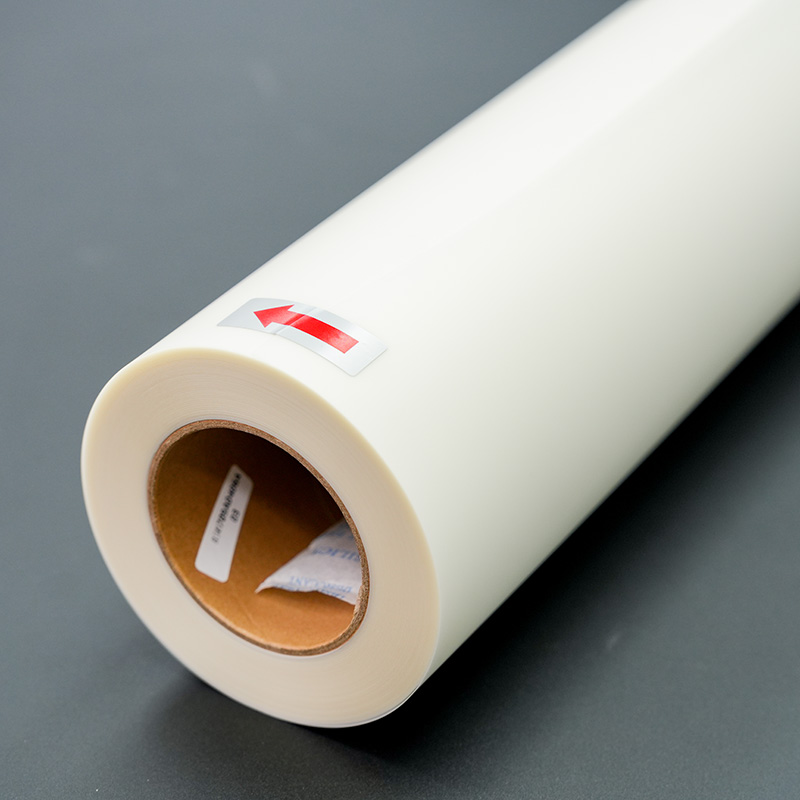
An a4 dtf film roll serves businesses with continuous, high-volume printing needs. It provides superior cost savings and efficiency for large production runs. Conversely, A4 sheets suit beginners and small, on-demand custom orders. Their convenience and lower initial cost make them a practical choice for smaller-scale operations.

Businesses aiming for higher efficiency and lower production costs often find an a4 dtf film roll to be an indispensable asset. This format moves beyond single-sheet limitations, unlocking several key benefits for growing print shops. It streamlines operations, minimizes expenses, and provides greater creative freedom.
Purchasing film in bulk rolls almost always results in a lower cost per square inch compared to individual sheets. This volume discount directly translates to higher profit margins on every print job. For businesses handling consistent order volumes, the initial investment in a roll quickly pays for itself through reduced material spending over time. The savings become especially significant during large production runs, making the roll format a financially sound choice for scaling operations.
An a4 dtf film roll enables a continuous printing process. Operators do not need to pause and load a new sheet for every design, which dramatically increases throughput. This uninterrupted workflow is crucial for meeting tight deadlines and managing high-volume orders efficiently. The printer can run for extended periods, allowing staff to focus on other critical tasks like design preparation or order fulfillment.
Note: A continuous workflow minimizes printer wear and tear associated with frequent starting and stopping, potentially extending the equipment's lifespan.
Rolls offer superior material optimization, especially when paired with nesting software. This software acts like an expert puzzle solver, arranging multiple designs tightly together on the film. The process is similar to a game of Tetris, where the goal is to fit designs as closely as possible to maximize the usable area. This automated layout process can achieve significant material savings.
Advanced nesting algorithms can decrease film usage by 10-20% compared to manual layouts.
It allows print shops to combine different customer jobs onto one continuous print run.
This optimization reduces scrap costs and the time spent arranging designs by hand.
By fitting more designs onto the film, businesses waste less material and increase the number of transfers produced per roll.
While the width of an A4 roll is fixed at approximately 8.3 inches, the length is not. This flexibility allows businesses to print designs that are longer than the standard 11.7-inch A4 sheet dimension. This capability is perfect for creating panoramic graphics, sleeve designs, or long strips of logos without needing to segment the artwork. The ability to produce oversized transfers on a compact a4 dtf film roll opens up new product possibilities that are impossible with pre-cut sheets.
While rolls provide significant advantages for high-volume production, they also introduce challenges that businesses must evaluate. These drawbacks primarily relate to cost, equipment requirements, and operational complexities. Understanding these potential downsides is crucial for making an informed investment decision.
The most immediate barrier to adopting rolls is the higher upfront investment. Businesses must purchase an entire roll of film at once, which represents a greater initial cash outlay compared to buying smaller packs of A4 sheets. For startups, hobbyists, or shops with limited capital, this bulk cost can be a significant financial hurdle. The per-print savings only materialize over time, making sheets a more budget-friendly entry point for those not yet operating at scale.
Standard desktop printers are not equipped to handle continuous media. Using a roll format necessitates specialized equipment designed to manage the feeding and tension of the film. Without the right hardware, a business cannot leverage the benefits of roll-based printing.
A dedicated roll feeder is a critical accessory. This device holds the roll and ensures it feeds smoothly into the printer. Key components include:
A Film Feed System: This mechanism guides the film and maintains consistent tension to prevent slack or stretching.
Roll Holders: These secure the roll in place, accommodating various core sizes and roll widths.
This additional hardware adds to the overall setup cost and requires physical space, factors that every print shop must consider before upgrading.
A continuous printing process introduces a greater risk of print misalignment compared to using single sheets. The film can slowly drift or skew over the length of a long print run if not perfectly aligned and tensioned. A primary cause of this issue is a damaged or imperfectly round film roll, which disrupts the printer's feeding mechanism.
Pro Tip: Always inspect a new roll for damage before loading it. Store rolls vertically in a cool, dry place to prevent them from deforming and developing flat spots.
Common sources of film damage that lead to misalignment include:
Improper Storage: High humidity or heat can warp the roll's shape.
Rough Handling: Dropping a roll can dent its edges, causing it to feed unevenly.
Poor Quality Printer Rollers: Worn or low-grade rollers can apply inconsistent pressure, sometimes even crushing the roll.
Manufacturing Defects: Although rare, a roll may arrive with imperfections from the factory.
The workflow that makes an a4 dtf film roll efficient for large batches becomes a liability for small, one-off orders. The setup process—loading the roll, feeding it through the printer, and aligning it—takes time. Printing a single small design often results in significant material waste at the beginning and end of the job. For a business that frequently produces single custom t-shirts or small test batches, using a large roll is impractical and uneconomical. In these scenarios, the grab-and-go convenience of a single A4 sheet is far superior.
While rolls dominate high-volume production, A4 DTF sheets offer distinct advantages in specific scenarios. They provide a practical and accessible solution for startups, small businesses, and those focused on custom, low-quantity orders. Their simplicity and compatibility make them the superior choice when flexibility is more important than sheer output.
A4 sheets offer a low-risk entry point for anyone new to the DTF printing world. The learning curve for DTF involves trial and error, and using individual sheets minimizes material waste during this phase. Beginners can experiment with settings and techniques without committing to an entire roll. The lower initial cost of a pack of sheets makes the technology more accessible. Key benefits include:
Lower Financial Barrier: Small packs are more affordable than a full roll.
Simplified Learning: Operators can focus on one print at a time.
Reduced Waste: Mistakes only spoil a single sheet, not a large section of a roll.
Sheets are unmatched for their efficiency in handling one-off custom jobs. A print shop can quickly grab a single A4 sheet to produce a unique t-shirt design for a customer. This process requires minimal setup and avoids the waste associated with running a small job on a large roll. The grab-and-go nature of sheets is perfect for on-demand printing, allowing businesses to fulfill personalized orders with speed and cost-effectiveness.
Note: This convenience makes sheets ideal for event-based printing, where customers request individual designs on the spot.
Perhaps the most significant advantage of A4 sheets is their compatibility with many standard desktop printers. Businesses can often use existing, affordable equipment that has been converted for DTF printing. This eliminates the need to invest in specialized roll feeders or wide-format printers. For a home-based business or a small startup, using standard hardware dramatically lowers the initial investment and simplifies the entire operational setup.
Choosing between sheets and rolls requires a careful analysis of your business's specific needs. The right choice depends on production scale, financial resources, existing equipment, and the types of jobs you handle. This decision directly impacts workflow efficiency and profitability.
Production volume is the primary factor in this decision. Businesses with high daily or weekly output benefit most from rolls. The continuous printing process minimizes downtime and maximizes throughput. Conversely, shops with low or inconsistent order volumes find sheets more practical. They can print on demand without the setup time and potential waste associated with rolls.
Initial investment is a significant consideration. Sheets offer a low-cost entry point, while rolls and the required hardware demand a larger upfront budget. However, businesses ready to scale can explore financing to manage these costs. Several financial institutions offer equipment loans to help acquire necessary hardware.
ElmBlue Capital and Click Lease provide financing with fast approvals, sometimes with zero upfront cost.
Banks like First-Citizens Bank offer structured equipment and working capital loans.
These options often feature flexible payment plans and expert support for growing businesses.
Your current equipment setup plays a crucial role. A4 sheets work with many converted desktop printers, requiring minimal additional investment. An a4 dtf film roll, however, demands a dedicated roll-to-roll system. This includes a printer capable of handling continuous media and a roll feeder to ensure proper tension and alignment, adding complexity and cost to the setup.
The nature of your print jobs influences the best choice. Rolls excel when ganging multiple small designs together to maximize film usage and reduce costs. Sheets are better for single, one-off orders. The complexity of the job dictates the most efficient method.
| Factor | Ganged Designs (Rolls/Sheets) | Single Transfers (Sheets) |
|---|---|---|
| Cost Efficiency | Reduces per-design cost by maximizing media usage. | More expensive per design due to potential media waste. |
| Workflow | Streamlines batch printing for high-volume, varied orders. | Simple, linear workflow ideal for one-off jobs. |
| Flexibility | Requires layout planning; ideal for pre-production. | Offers maximum flexibility for urgent, individual orders. |
| Scalability | Supports higher order volumes and business growth. | Can limit growth due to time and cost inefficiencies. |
The choice between A4 DTF rolls and sheets depends entirely on specific business needs. A final decision requires careful evaluation of a company's operational model.
Businesses should select A4 rolls for high-volume, cost-sensitive production where efficiency is the top priority.
Startups should opt for A4 sheets for low-volume custom work and maximum convenience.
Yes, a roll feeder is essential. It maintains proper film tension and ensures smooth, consistent feeding into the printer. This hardware prevents misalignment and material jams during continuous printing jobs.
Manually cutting a roll into sheets is possible but not recommended. This process is time-consuming and often results in uneven edges, which can cause feeding issues and print errors.
Pro Tip: Pre-cut sheets offer superior convenience and print consistency for small jobs. Stick to sheets for single orders to avoid the hassle of manual cutting and potential material waste.



Select the most popular foreign trade service products to meet your diverse needs
Select the most popular foreign trade service products to meet your diverse needs

Tel: +86 17706217416
Add: Building L2A, No. 520, Lane 1588, Zhuguang Road, Hongqiao World Center, Qingpu District, Shanghai, China






User Comments
Service Experience Sharing from Real Customers
Michael Chen
Print Shop OwnerThis A4 DTF film roll is a game-changer for our small custom apparel business. The transfer quality is consistently vibrant and durable, even on dark fabrics. The roll format saves us so much time compared to sheets.
Sarah Johnson
Graphic DesignerExcellent film for detailed designs. The adhesive layer is uniform, and we get very few misprints. The A4 size is perfect for our mixed batch of small to medium orders. Highly reliable product.
David Rodriguez
Production ManagerOutstanding value and performance. The film feeds smoothly through our printer without jamming, and the transfers peel cleanly every time. Has significantly reduced our material waste. Will be ordering again.
Emily Watson
Craft Business OwnerAs someone who makes custom gifts, the print clarity on this DTF film is incredible. Fine text and complex graphics come out perfectly. The roll lasts a long time and stores easily. Very satisfied with the results.