The Pros and Cons of DTF film printing: A Comprehensive Guide
In the dynamic world of custom apparel printing, b...
More
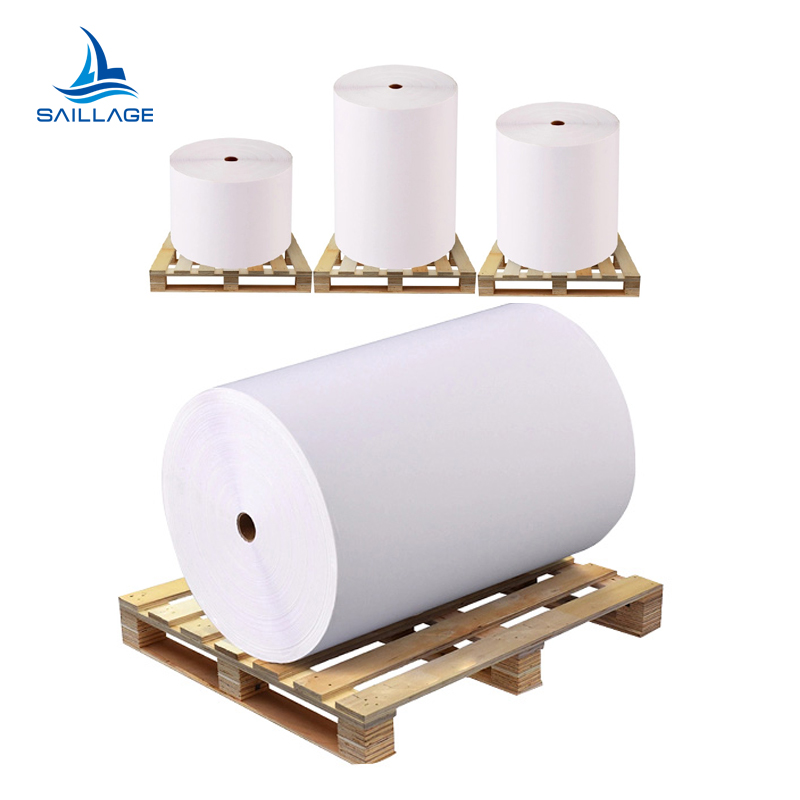
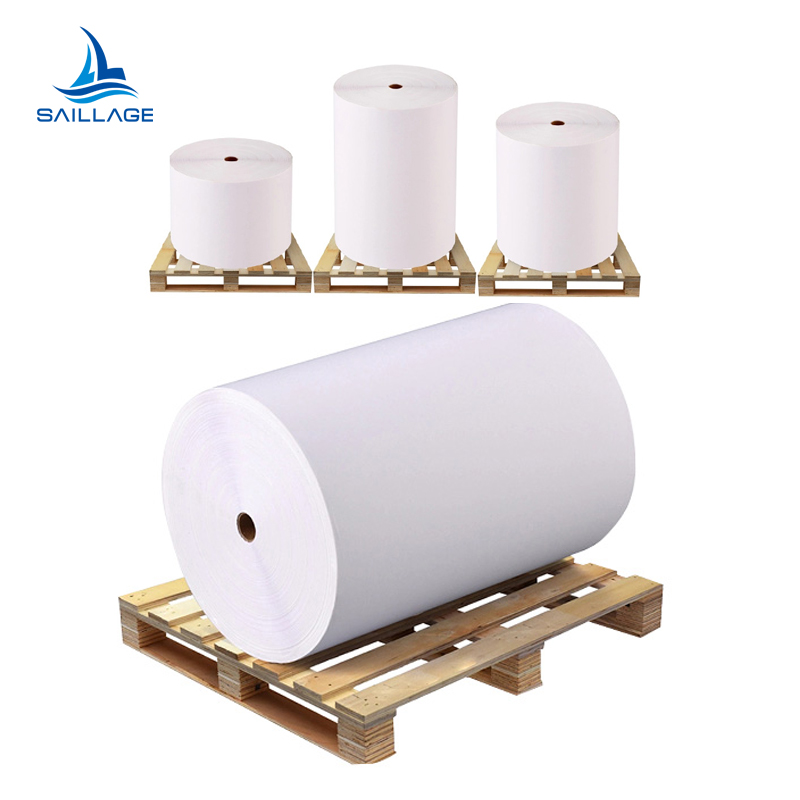
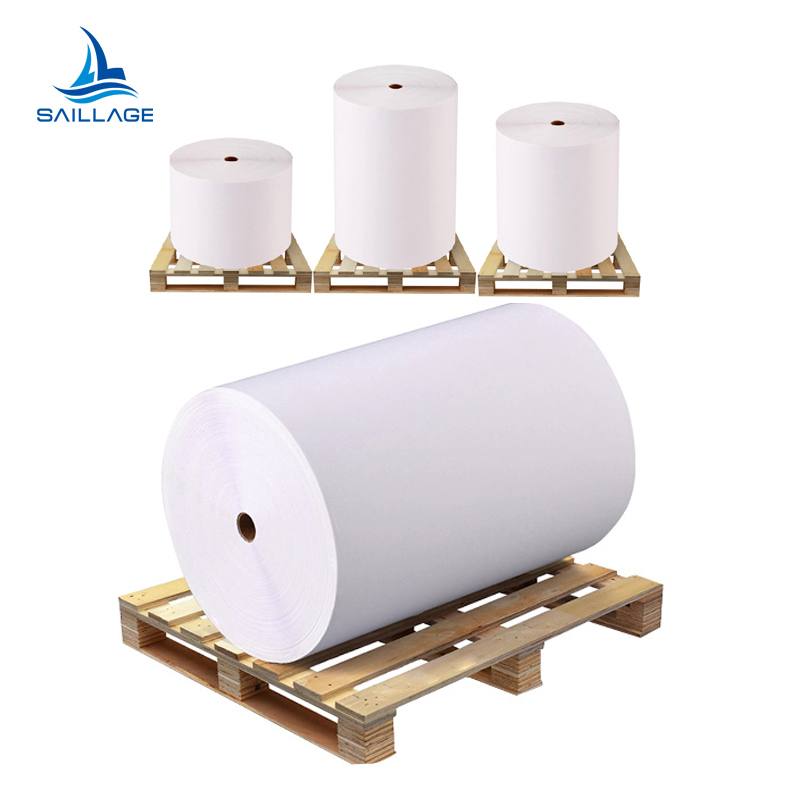
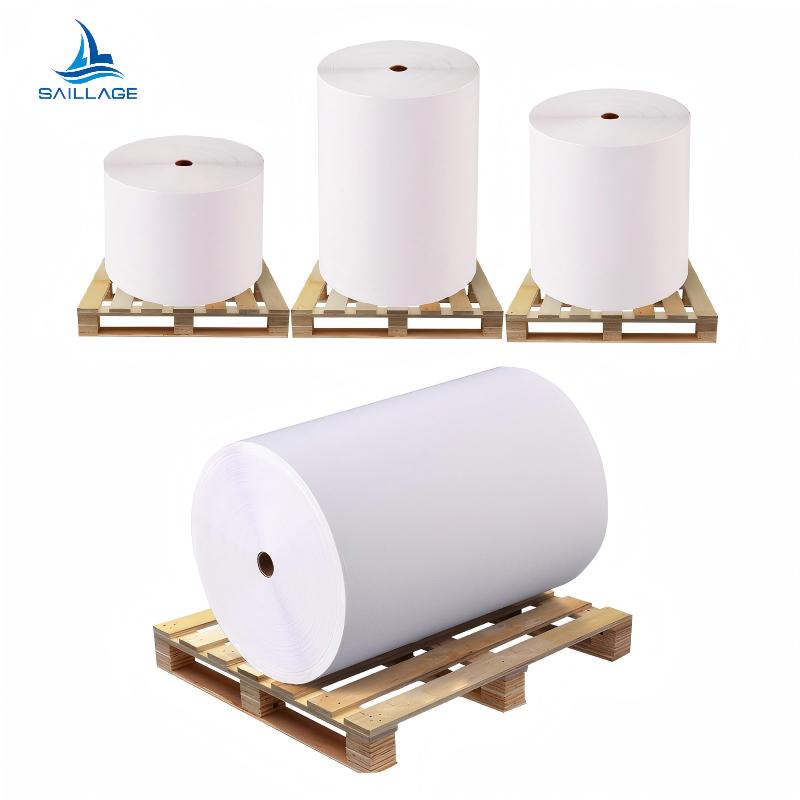
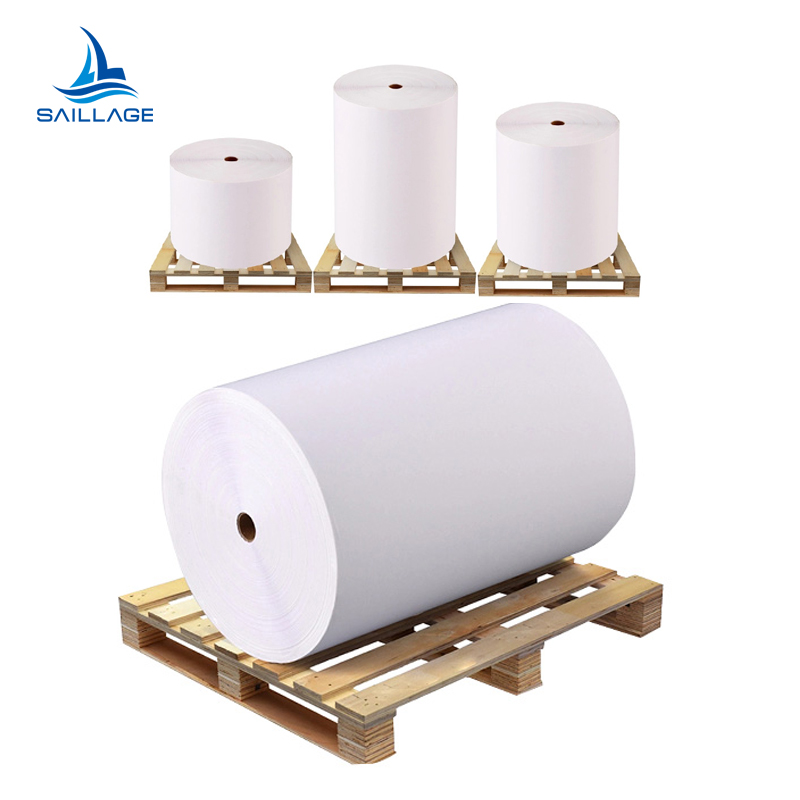
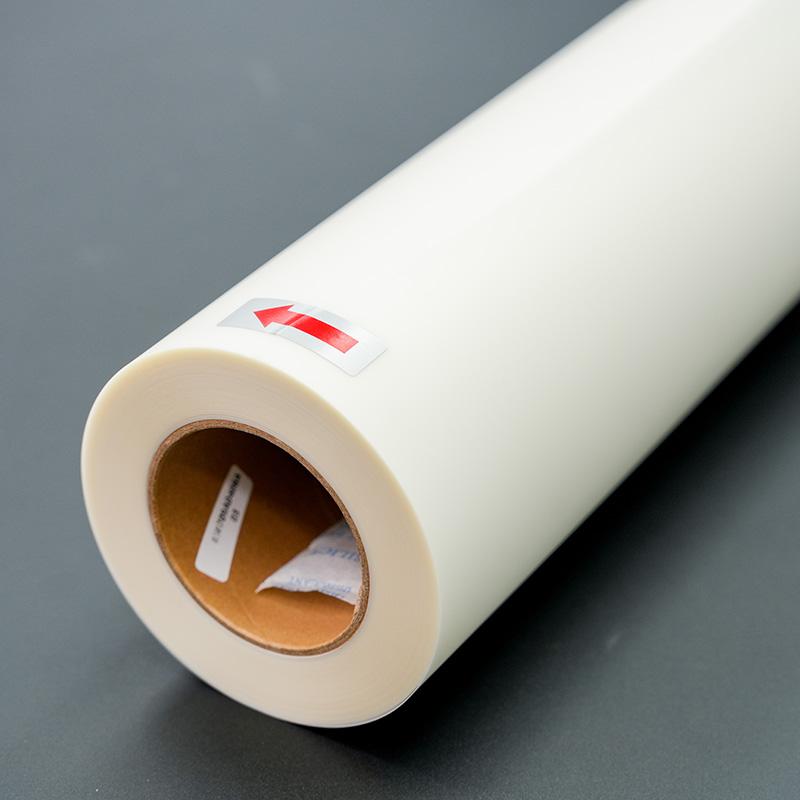
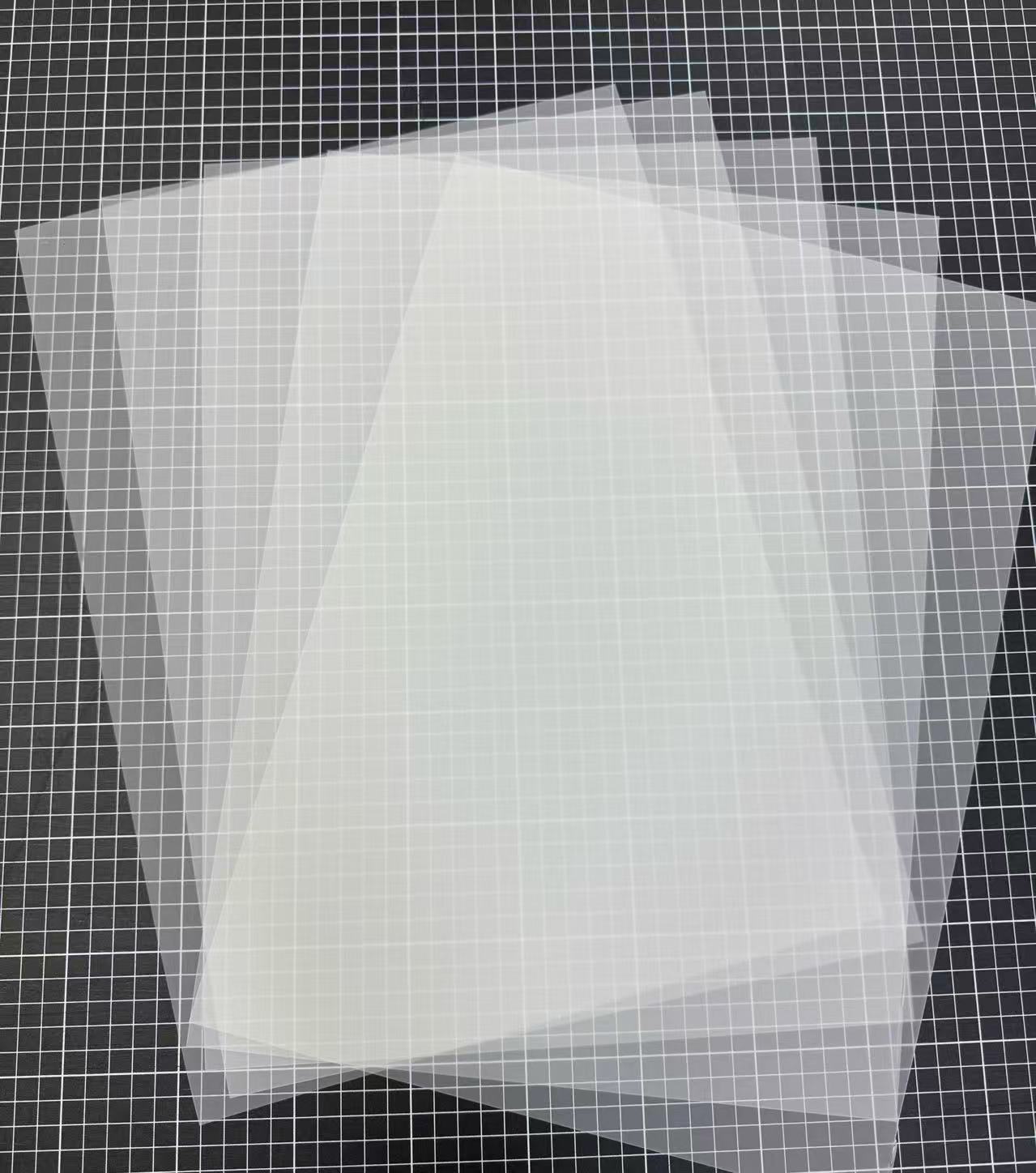
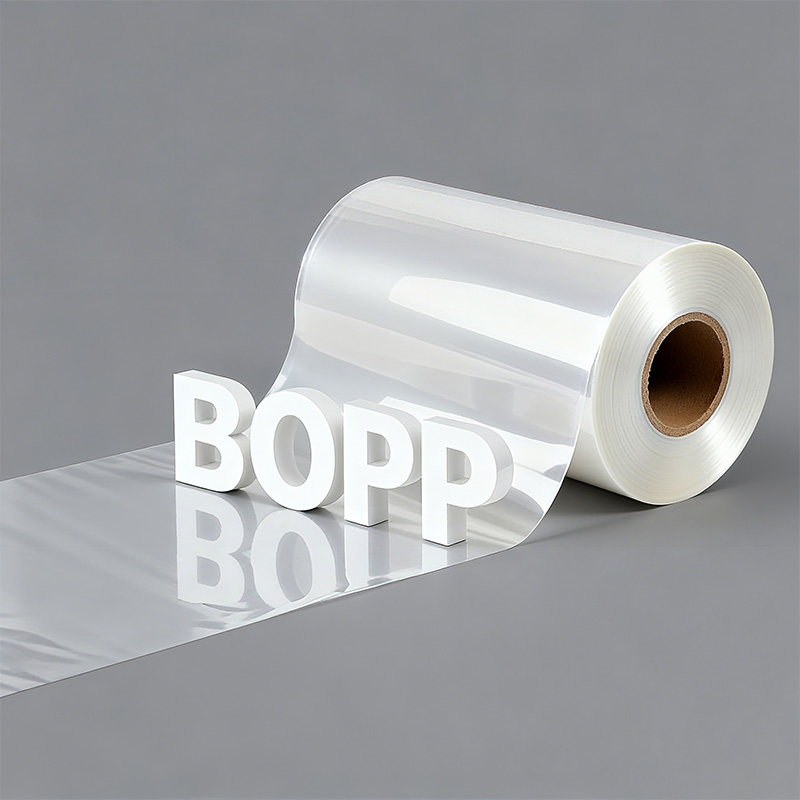
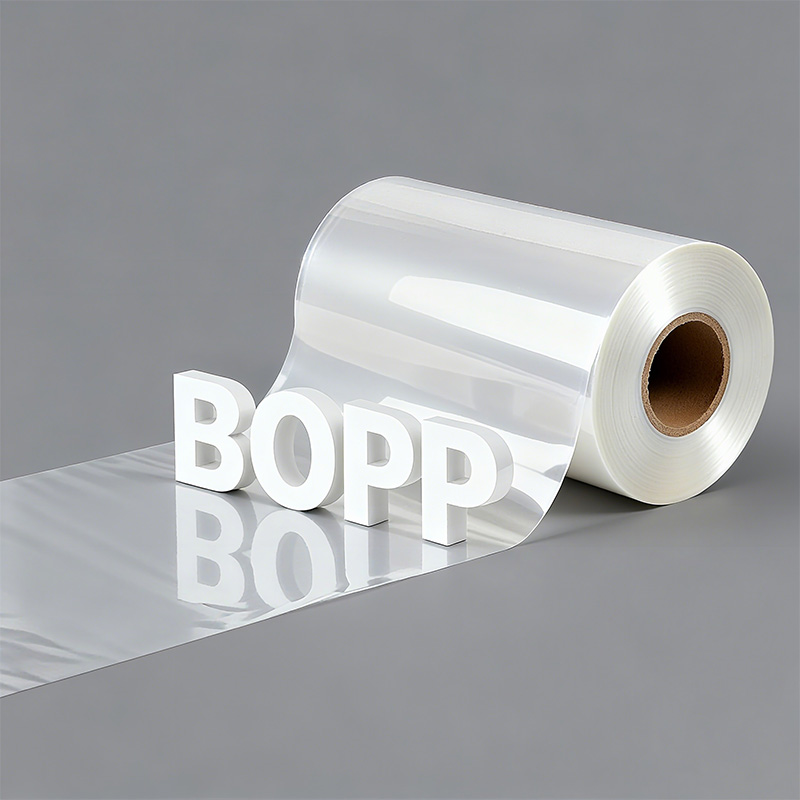
DTF PET film is a specially coated polyethylene terephthalate sheet. It acts as the transfer medium in Direct-to-Film printing. The film holds printed ink and adhesive powder until heat-pressed onto a substrate. A unique release coating on the dtf pet film ensures the design transfers cleanly during the heat press process.
Not all DTF films are created equal. The type and quality of the film directly influence workflow efficiency and the final appearance of the print. Understanding the primary distinctions empowers printers to select the perfect material for any project. The main categories revolve around the peeling method, coating, and overall construction.
The most significant differentiator in DTF films is the peeling temperature. This choice impacts both the production speed and the final texture of the design.
Hot Peel Film: A user peels this film away from the garment immediately after the heat press cycle finishes, while the design is still hot. This process significantly speeds up production, making it ideal for high-volume orders. The resulting transfer typically has a softer, more matte finish that blends into the fabric.
Cold Peel Film: A user must wait for this film and the transfer to cool down completely before peeling. The cooling period allows the adhesive to form a stronger bond with the substrate. This method is favored for designs requiring high detail and maximum durability. Cold peel transfers often have a slightly glossy, smoother finish.
The chemical composition of the release layer dictates whether a film is hot or cold peel. Each type offers distinct advantages.
| Feature | Hot Peel DTF Film | Cold Peel DTF Film |
|---|---|---|
| Adhesive Type | Quicker-setting adhesive | Stronger bond adhesive |
| Bond Strength | N/A | Stronger |
| Application Speed | Faster application | N/A |
| Print Durability | N/A | More durable, long-lasting |
Beyond the peel type, several characteristics define a superior dtf pet film. Investing in a high-quality film prevents frustrating production errors and yields consistently professional results. Key indicators of quality include:
Excellent Ink Absorption: The film's coating must absorb the water-based DTF ink precisely without allowing it to bleed or spread. This ensures crisp edges and vibrant colors.
Stable Powder Adhesion: The adhesive powder should only stick to the printed ink areas. A quality film prevents powder from clinging to unprinted sections, which would otherwise result in a messy or flawed transfer.
Anti-Static Properties: Static electricity can cause the fine adhesive powder to scatter and adhere incorrectly. Premium films have an anti-static coating that neutralizes this charge for a clean powdering process.
Note: The most critical quality is the release. A high-grade film provides a clean and complete release of the design onto the substrate. It leaves no ink or adhesive residue behind, ensuring the full integrity of the graphic.
DTF films come with either a single-sided or double-sided coating. While the front side always carries the release coating for the ink, the purpose of a second coating on the back is purely mechanical.
Single-Sided Film: This is the standard option, with a release coating on the printable side and a bare PET surface on the back. It is cost-effective and suitable for most sheet-fed applications.
Double-Sided Film: This film features a coating on both sides. The back-side coating is not for printing; instead, it provides grip and stability. A double-sided coating on DTF PET film helps prevent curling by creating a more balanced and structurally sound sheet. This construction makes the film more stable and less susceptible to curling under changing heat and humidity.
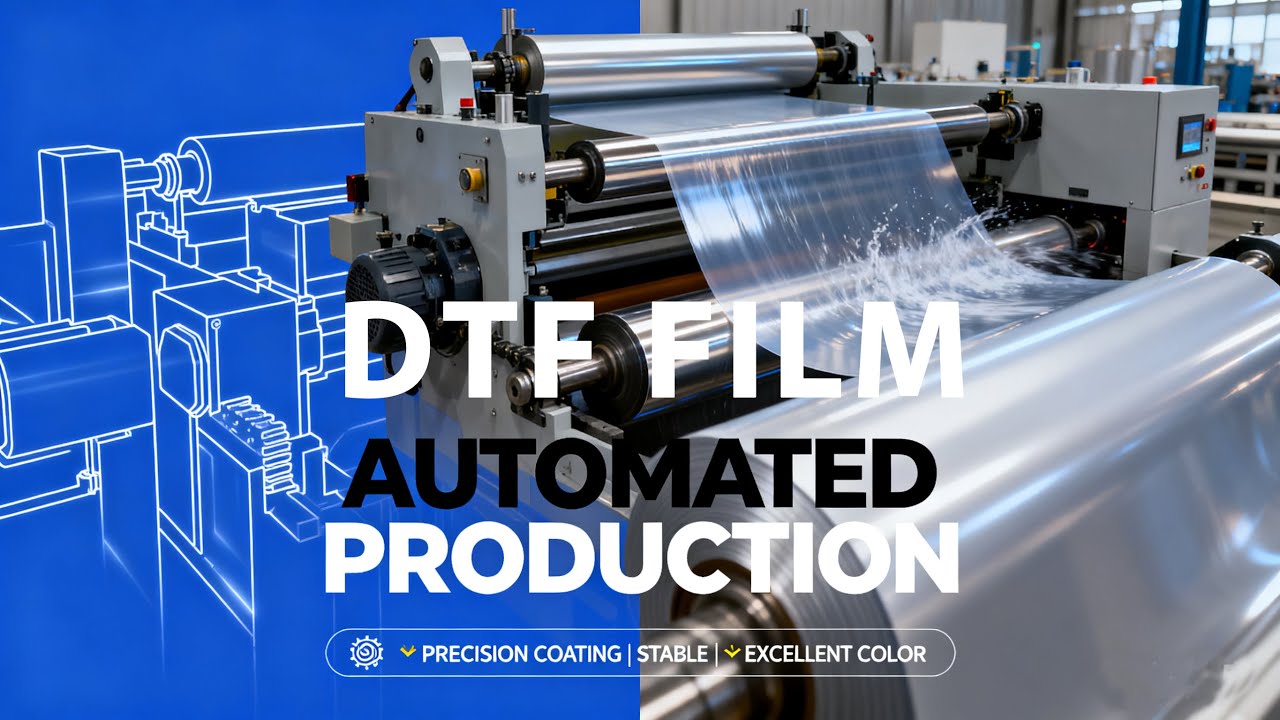
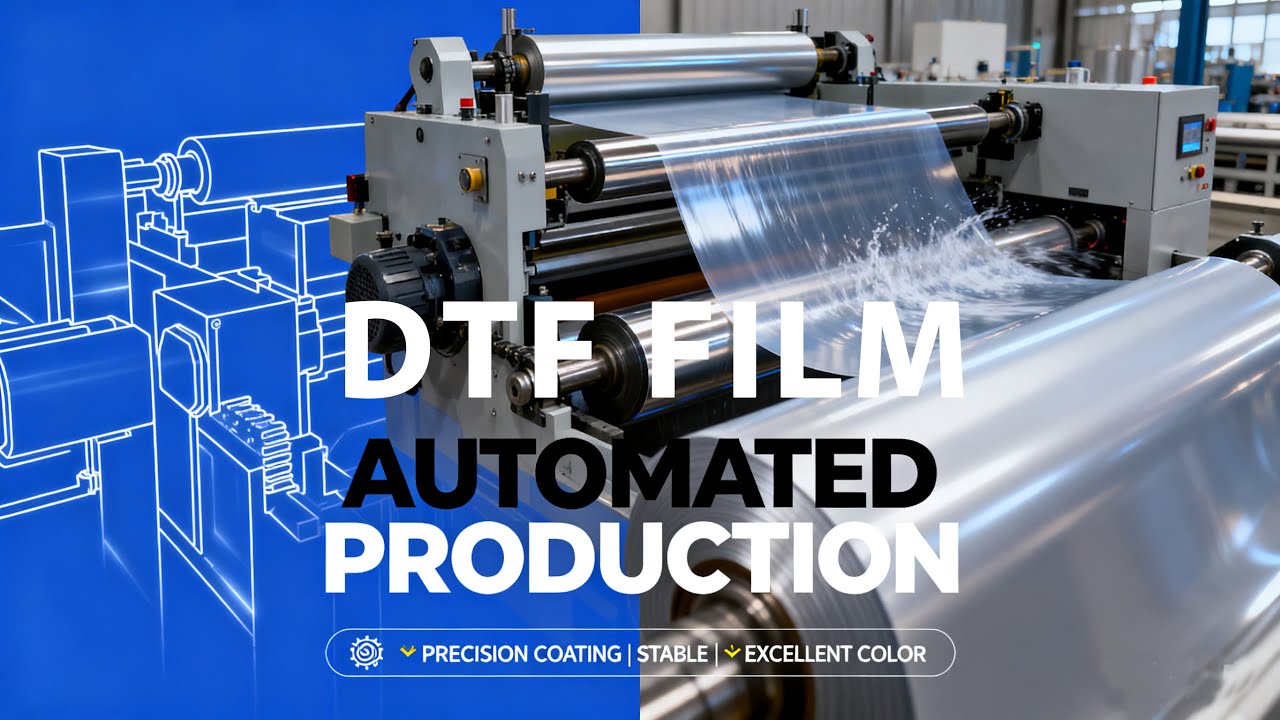
This added stability is especially valuable in automated, roll-to-roll printer setups. The advantages are significant:
The double-sided coating increases friction, which helps reduce film slippage as it moves through the printer.
It ensures excellent ink adhesion for high-quality, durable transfers.
These films are often easier to remove post-press because the coating helps keep the design intact.
They offer enhanced quality and durability, making them ideal for printing complex or intricate designs.
Selecting the right film is only half the battle; using it correctly is essential for achieving flawless results. Proper handling, from identifying the printable surface to understanding the impact of its physical properties, ensures a smooth and efficient production workflow. These practical considerations directly affect the quality and consistency of the final product.
Every DTF film has a specific side coated to accept ink. Printing on the wrong side leads to immediate failure. The ink will not absorb correctly; instead, it will pool and run, ruining the print. Printers use several reliable methods to distinguish the printable surface.
The Feel Test: The printable side often feels slightly rougher or has a dull, matte appearance compared to the non-printable side, which is typically smoother and glossier. Running a finger across both surfaces can reveal this textural difference.
The Water Test: A small drop of water provides a definitive answer. On the non-coated side, water will bead up. On the coated, printable side, the water will spread out slightly as the coating begins to absorb it.
Manufacturer Labels: Many suppliers simplify the process by placing a sticker or label on the non-printable side of each sheet. This is the most straightforward indicator.
Pro Tip: 🕵️♂️ Before loading a new batch of film, it is a best practice to perform a quick test on a single sheet. This simple step prevents wasting ink, powder, and film on a misaligned print job.
Film thickness, measured in microns (µm), is a critical factor that influences how the film behaves in a printer and during handling. The most common thicknesses are 75µm and 100µm, each offering distinct advantages for different production setups.
| Feature | 75 Micron (µm) Film | 100 Micron (µm) Film |
|---|---|---|
| Rigidity | More flexible and pliable. | Stiffer and more rigid. |
| Printer Compatibility | Excellent for most desktop and sheet-fed printers. | Ideal for roll-to-roll automated systems. |
| Handling | Can be more susceptible to curling or jamming. | Offers superior stability and reduces slippage. |
| Cost | Generally more cost-effective. | Typically priced at a premium. |
A thicker dtf pet film provides greater stability, which is invaluable in high-volume, roll-fed environments where jams or slippage can halt production. For smaller-scale operations using individual sheets, a 75µm film is often sufficient and more economical.
The finish of the film—either matte or glossy—directly determines the final appearance of the transferred design on the garment. This choice is primarily aesthetic and depends on the desired look for the end product.
Matte Finish Film: This film has a dull, non-reflective surface. It produces a transfer with a soft, flat finish that integrates visually into the fabric's texture. This option is popular for achieving a "soft hand" feel and a more subtle, high-end appearance.
Glossy Finish Film: This film is shiny and transparent. It creates a transfer with a vibrant, glossy sheen that makes colors pop. The smooth surface can give the design a photo-like quality, making it an excellent choice for graphics that need to stand out with high saturation and contrast.
Ultimately, the decision between a matte and glossy finish allows a printer to control the final texture and visual impact of the graphic, tailoring it to specific customer preferences or brand aesthetics.
The dtf pet film is the essential carrier that enables vibrant, durable, and detailed prints. A printer's selection of the correct film type—whether hot or cold peel—is critical for workflow efficiency and final print quality. This knowledge empowers printers to produce consistently professional results for every project.
No. The film's release coating is designed for single use. Reusing film leads to poor ink adhesion and failed transfers. Printers must use a new sheet for every print.
Heat and humidity often cause film to curl. Single-sided films are more susceptible. Using a double-sided film or storing materials in a controlled environment helps prevent this issue.
Yes, DTF film has a shelf life, typically around one year. Proper storage away from direct sunlight, heat, and humidity is essential to preserve its quality and performance.



Select the most popular foreign trade service products to meet your diverse needs
Select the most popular foreign trade service products to meet your diverse needs

Tel: +86 17706217416
Add: Building L2A, No. 520, Lane 1588, Zhuguang Road, Hongqiao World Center, Qingpu District, Shanghai, China






User Comments
Service Experience Sharing from Real Customers
James Wilson
Print Shop OwnerAfter testing five different brands, this DTF film is hands down the best. The color vibrancy on dark garments is unmatched, and the adhesive is incredibly strong yet soft. My customers are thrilled with the quality.
Sarah Chen
Production ManagerThis film has revolutionized our custom apparel business. The transfer process is consistent, with zero cracking or peeling after washes. It's the most reliable and high-quality DTF film we've used in our 10 years of operation.
Michael Rodriguez
Graphic DesignerAs a designer, color accuracy is everything. This DTF film reproduces my designs with perfect fidelity and incredible detail. The whites are brilliantly opaque, and the film is easy to weed. A game-changer for detailed artwork.
Lisa Thompson
Small Business OwnerFor my small boutique, this film offers professional-grade results without the high cost. It's user-friendly, durable, and the prints look fantastic. The only reason it's not a perfect 5 is that I wish it came in smaller starter rolls for very small batches.