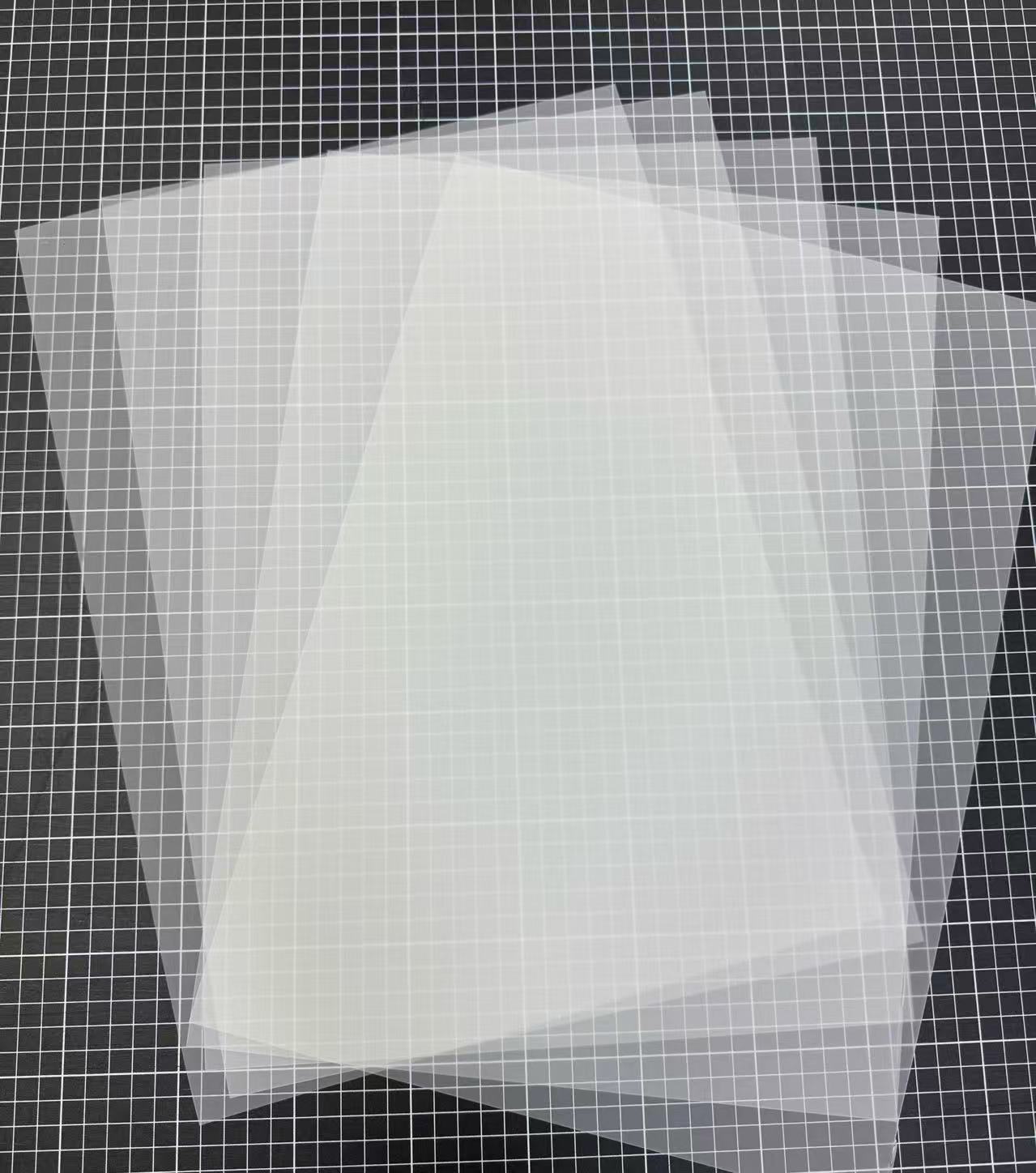
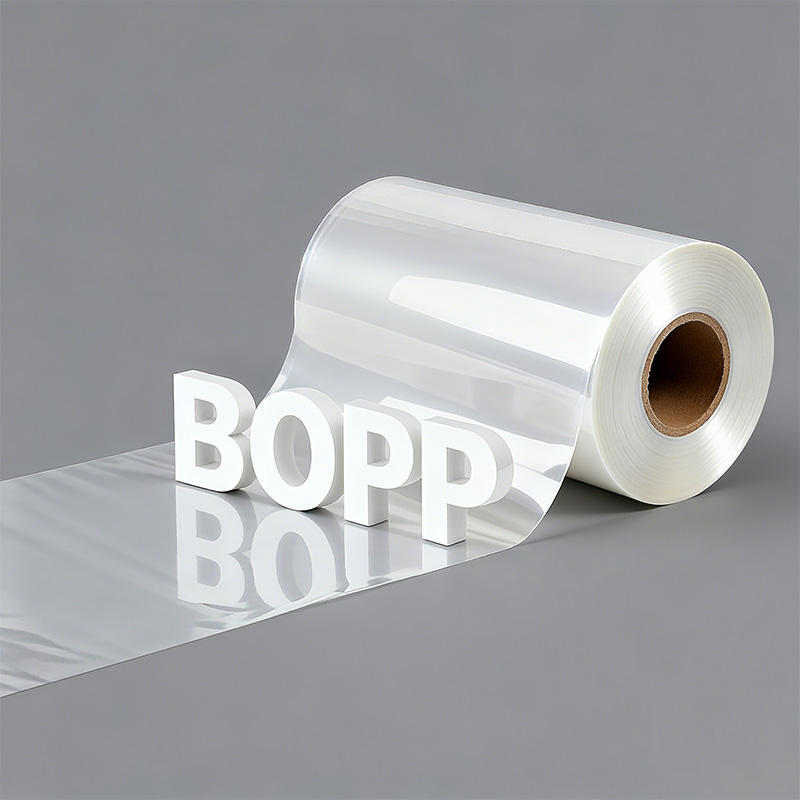
What are the advantages of BOPP film
Third, BOPP film offers great versatility and safe...
More
Direct-to-film (DTF) technology offers two primary film categories for apparel decoration. A film's peeling temperature is the key differentiator, classifying it as either Cold Peel or Hot Peel.
Choosing the best dtf film also involves selecting from an array of finishes and special effects, which provide unique visual outcomes for any project.
The fundamental choice between DTF films comes down to the peeling process. This single variable dictates production speed, the final texture of the design, and the visual vibrancy of the print. Understanding the differences between cold peel and hot peel film is the first step toward mastering DTF printing.
Cold peel DTF film is a transfer medium that requires the print to cool down completely to room temperature after heat pressing. Only after the garment and transfer are cool to the touch can the operator peel the film away. This cooling period is critical for the process to work correctly.
Pro Tip: For shops handling multiple garments, placing freshly pressed items on a separate cooling rack or table can streamline the workflow. This prevents a production bottleneck while waiting for individual items to cool. The process typically requires a cooling time of 5+ minutes per garment before peeling.
This deliberate pause allows the ink and adhesive layer to fully set and bond securely with the fabric's fibers, creating a highly durable and stable transfer.
Cold peel film is renowned for producing premium, high-quality results. Its characteristics make it the preferred choice for detailed artwork and top-tier apparel. The extended cooling time allows the ink to settle completely, resulting in sharper lines and richer colors.
| Feature | Cold Peel DTF Film |
|---|---|
| Peel Timing | After the transfer has fully cooled |
| Resulting Finish | Glossy and smooth with a plastic-like feel |
| Color Vibrancy | Excellent; colors appear rich and saturated |
| Production Speed | Slower due to the required cooling time |
| Best For | High-detail graphics, photorealistic prints, and premium jobs |
Furthermore, cold peel film demonstrates exceptional compatibility across various fabric types. It is the recommended method for achieving clean, crisp transfers on the most common materials in apparel decoration.
Cotton: Allowing the transfer to cool completely ensures sharp edges and prevents any part of the design from lifting prematurely.
Polyester: A cold peel technique is essential for a clean release on synthetic polyester fabrics.
Blended Fabrics: For cotton/poly blends and tri-blends, opting for a cold peel maintains the design's integrity and ensures a successful application.
Hot peel DTF film is engineered for speed and efficiency. As its name implies, an operator peels the film away from the garment immediately after the heat press cycle is complete, while the transfer is still hot.
This method eliminates the cooling delay entirely, making it an ideal solution for high-volume orders and fast-turnaround jobs. The film's specialized coating is designed to release the ink transfer cleanly and quickly at high temperatures, integrating the print onto the fabric in a single, swift motion.
The primary advantage of hot peel film is its contribution to a rapid production workflow. However, this speed comes with a different set of aesthetic and performance characteristics. Hot peel transfers typically yield a matte or slightly textured finish, which gives the design a softer feel that is well-integrated into the fabric. While colors are strong, they may appear slightly less vibrant compared to the glossy finish of a cold peel transfer.
Durability is a key consideration for any garment. When using high-quality materials and correct application methods, hot peel transfers exhibit excellent longevity.
A properly applied transfer can endure 50-100 wash cycles without significant degradation.
For best results, garments should be washed inside-out in cold water and dried at low temperatures.
Intense heat during washing or drying can shorten the transfer's lifespan.
Achieving this durability depends on several factors. Issues like cracking or peeling are almost always preventable and are not inherent flaws in the technology itself.
Key Factors for Transfer Longevity:
Quality of Materials: Using high-grade films, inks, and adhesives is crucial for strong adhesion and wear resistance.
Application Method: Consistent pressure, accurate temperature, and correct timing during the heat press process prevent early failures.
Garment Preparation: The garment must be clean, dry, and pre-pressed to remove moisture and wrinkles before application.
Post-Press Care: Waiting at least 24 hours before the first wash allows the adhesive to fully cure and bond with the fabric.
By controlling these variables, print shops can produce fast, reliable, and durable garments using hot peel DTF film.
Beyond the peel temperature, the next layer of customization in DTF printing comes from the film's finish and special effects. These options transform a standard design into a unique and eye-catching product. Selecting the best dtf film involves understanding how these different surfaces can elevate a project's aesthetic and functional appeal.
The most common finishes—matte and glossy—are often directly linked to the peel type of the film. Each offers a distinct look and feel that suits different design goals.
Matte Finish: Typically associated with hot peel films, a matte finish provides a non-reflective, flat appearance. This finish integrates smoothly into the fabric, resulting in a softer hand-feel that resembles a screen print. It is an excellent choice for designs where subtlety and a premium, understated look are desired.
Glossy Finish: This finish is the standard outcome for cold peel films. It produces a shiny, smooth surface that makes colors appear exceptionally vibrant and saturated. The slightly plastic-like feel is perfect for bold graphics and photorealistic images that need to pop.
Choosing between these two is a foundational step. The decision often depends on whether the project prioritizes production speed (matte/hot peel) or maximum color vibrancy (glossy/cold peel). Finding the best dtf film for a standard job starts with this fundamental choice.
Glitter DTF film embeds fine glitter particles directly into the transfer layer. This allows printers to create sparkling, textured designs without the messy and inconsistent process of using vinyl with a separate adhesive. It is a popular choice for fashion apparel, spirit wear, and holiday-themed garments.
Application Note: Glitter films often require slight adjustments to heat press settings. Operators should always consult the manufacturer's guidelines for optimal temperature and pressure to ensure the glitter effect transfers correctly and durably.
While visually stunning, the textured nature of glitter film affects its longevity compared to standard films. The following table outlines the durability expectations.
| Criteria | Glitter DTF Transfer | Standard DTF Transfer |
|---|---|---|
| Durability | Slightly more sensitive to aggressive washing; sparkle can soften or fade over time. | Has a slight advantage due to simpler structure; less risk of texture wear or reflective dulling. |
| Wash Resistance | Moderate (30–50 gentle wash cycles with proper care) | High (50–60 gentle wash cycles) |
Reflective DTF film is engineered for high visibility in low-light conditions. It incorporates microscopic glass beads that catch and reflect light directly back to its source, creating a bright, silvery glow when illuminated by headlights or flashlights. This makes it the best dtf film for safety gear, athletic wear, and construction uniforms.
Beyond its functional use, reflective film has also become a popular trend in streetwear and fashion. Designers use it to create bold, dynamic graphics that reveal themselves under direct light, adding an interactive and modern element to apparel.
Luminous DTF film offers a captivating glow-in-the-dark effect. This is achieved through a specialized phosphorescent layer integrated into the film. This coating allows printed designs to absorb energy from a light source and then emit it as a soft glow in dark or low-light conditions. This makes it a fantastic option for event merchandise, children's clothing, and Halloween costumes.
The glow effect is both impressive and long-lasting. After being fully charged with natural or artificial light, Luminous DTF film can glow for 4 to 6 hours. The intensity is a soft, glowing effect that provides high visibility in the dark.
The ability to create designs that come to life in the dark makes this one of the most creative options available. For projects that need a "wow" factor, this is often the best dtf film choice.
Holographic DTF film provides a stunning, multi-dimensional effect. Unlike a standard print, a holographic transfer changes color and appearance with different light angles. This creates a dynamic, iridescent, and futuristic look that is impossible to achieve with standard inks alone.
This film is a top choice for brands looking to create premium, high-impact apparel. The rainbow-like shimmer adds significant perceived value and is popular in the music, festival, and fashion industries. While specific named patterns can vary by manufacturer, the core appeal of holographic film is its mesmerizing, light-shifting quality. Choosing the best dtf film with a holographic finish guarantees a design that commands attention.
Cold Peel film delivers detailed, durable designs with a matte finish. Hot Peel film excels in high-volume jobs where speed and a glossy finish are priorities. Specialty films unlock unique creative opportunities for any project. Selecting the best dtf film is crucial for achieving the desired look, feel, and production efficiency.
The key difference is peel timing. Operators peel hot peel film immediately after pressing. Cold peel film requires the transfer to cool completely before peeling.
Yes, specialty films can be more sensitive. Glitter and holographic transfers may have slightly lower wash resistance than standard films due to their unique textured surfaces.
Hot peel films typically produce a matte finish. This non-reflective look offers a softer feel. Cold peel films usually result in a glossy, vibrant appearance.



Select the most popular foreign trade service products to meet your diverse needs
Select the most popular foreign trade service products to meet your diverse needs

Tel: +86 17706217416
Add: Building L2A, No. 520, Lane 1588, Zhuguang Road, Hongqiao World Center, Qingpu District, Shanghai, China






User Comments
Service Experience Sharing from Real Customers
James Wilson
Print Shop OwnerAfter testing multiple brands, this is hands down the best DTF film on the market. The transfer is incredibly crisp, the white layer is opaque, and it handles complex designs with ease. My customers are thrilled with the quality.
Sarah Chen
Apparel DesignerExceptional product! The film's consistency and release properties are perfect. It has drastically reduced my production errors and waste. The colors pop vibrantly on dark fabrics. A game-changer for my small business.
Michael Rodriguez
Production ManagerWe run high-volume orders, and this film's reliability is unmatched. It feeds smoothly through our printers, has excellent adhesion after curing, and the prints are durable through countless washes. Simply the best DTF film for professional use.
Emily Parker
Custom Merchandise CreatorI was skeptical about the hype, but this film lives up to it. The detail reproduction is astonishingly sharp, and the hand feel on the garment is soft. It has elevated the quality of my products and boosted my repeat customers. Worth every penny.