Saillage DTF: How to Boost Profit with Wholesale T-Shirt Printing in 2026
For small print shops and creators, 2026 is shapin...
More
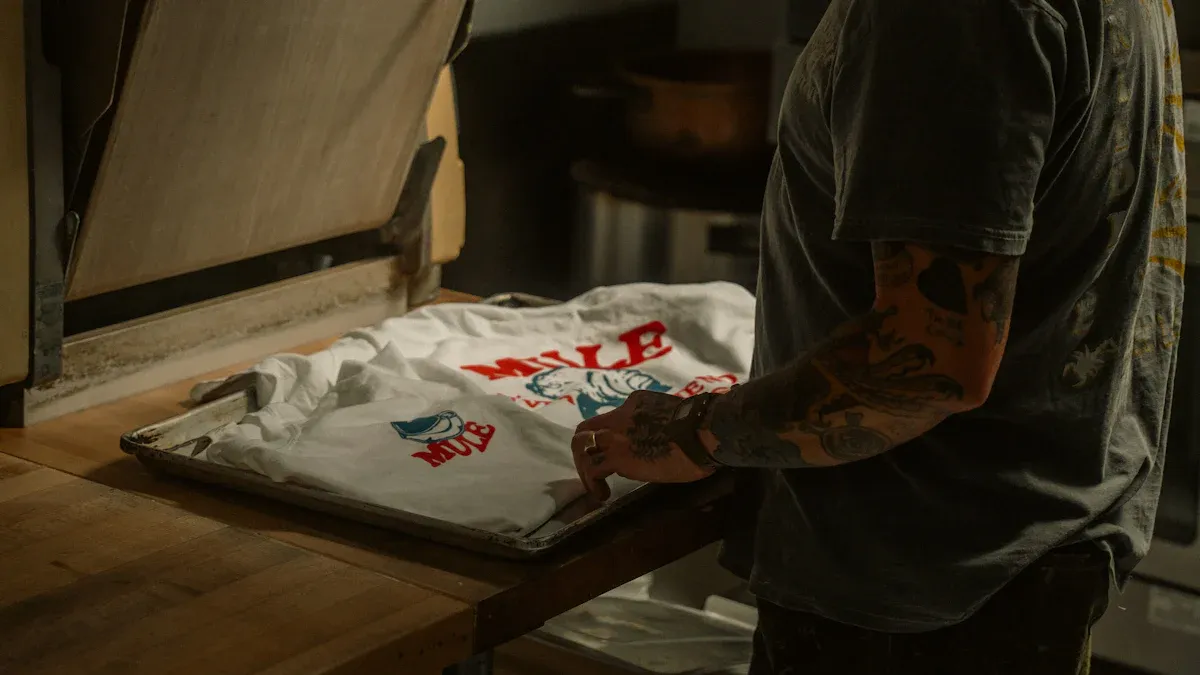
Printers can technically use sublimation ink on DTF film. However, experts do not recommend this method for professional results. This approach is a "hack" with major limits in quality, durability, and color vibrancy. Proper DTF ink is essential for reliable, high-quality, and washable transfers that meet market demands. The industry's rapid expansion reflects this need for quality.
| Metric | Value |
|---|---|
| Market Size (2023) | USD 2.56 Billion |
| Projected Market Size (2033) | USD 4.57 Billion |
| Compound Annual Growth Rate (CAGR) (2023-2033) | 5.97% |
| Forecast Period | 2023-2033 |
Do not use sublimation ink on DTF film for professional results. It causes poor quality, dull colors, and bad durability.
Sublimation ink and DTF ink are very different. DTF ink is a pigment that sits on fabric. Sublimation ink is a dye that goes into polyester fibers.
Proper DTF printing uses special white ink. This white ink makes colors bright and helps the design last longer on any color fabric.
Attempting to use sublimation ink for DTF transfers introduces significant problems. These issues stem from the fundamental incompatibility of the materials. The result is a low-quality product that fails to meet professional standards in appearance, feel, and longevity. Understanding these specific failures highlights why dedicated DTF supplies are essential.
The two ink types possess fundamentally different chemical compositions. Sublimation ink is a dye. Heat transforms this special dye from a solid directly into a gas, a process called sublimation. This gas then permeates and bonds with polyester fibers or polymer coatings, becoming a permanent part of the material itself.
DTF ink, however, is a water-based pigment ink. It is designed to sit on the surface of the dtf film as a liquid layer. It contains specific binding agents that help it adhere to the DTF powder. The entire layer of pigment ink and melted powder is then transferred onto the fabric, creating a design that sits on top of the garment. Sublimation ink is not formulated for this surface-level application.
This chemical mismatch directly causes poor adhesion. DTF ink contains binding agents that ensure the printed layer properly grips the DTF powder adhesive. This connection is critical for creating a stable, peel-resistant transfer.
Sublimation ink lacks these specific binders. The ink merely sits on the non-porous film surface without a strong bond. When an operator applies the DTF powder, it has nothing to properly adhere to.
Note: The DTF powder adhesive is a polyurethane hot-melt material. It is engineered to melt and bond with pigment-based DTF ink. It does not react correctly with the dyes in sublimation ink, resulting in an unstable and weak transfer layer.
Users will immediately notice inaccurate colors and a lack of vibrancy. Sublimation colors develop their final, brilliant state only after the gassing process infuses them into a polyester substrate. Since this hack does not involve true sublimation, the colors never reach their potential. Several factors contribute to the dull, disappointing results:
Underdeveloped Dyes: The ink does not undergo the chemical change of sublimation. The colors remain in their initial, muted state as they appear on the film, leading to a faded look on the final garment.
Incorrect Surface Interaction: The ink is not absorbed by the dtf film. This prevents the intended color expression and vibrancy that comes from the dye bonding with a substrate.
Lack of a White Base: Proper DTF printing uses an opaque white ink underbase. This layer ensures colors appear bright and true on any color fabric. This hack lacks that critical white layer, making colors on non-white garments appear transparent and muddy.
The most significant failure of this method is its poor durability. The weak bond between the sublimation ink and the DTF powder creates a transfer that cannot withstand mechanical stress. The final design on the garment is fragile and temporary. It will likely crack, peel, or fade significantly after just one or two machine washes. This outcome is unacceptable for any commercial product.
| Wash Test Result | "Sublimation Hack" Transfer | Proper DTF Transfer |
|---|---|---|
| Feel | Stiff, plastic-like, and prone to cracking. | Soft, flexible, and integrated with the fabric. |
| After 1-2 Washes | Significant fading, cracking, and peeling. | Minimal to no change in color or integrity. |
| After 5+ Washes | The design is often destroyed or mostly gone. | Remains vibrant and intact. |
Ultimately, the lack of wash-resistance makes this method unsuitable for anything other than a temporary experiment. For professional results, printers must use the correct ink designed for the DTF process.
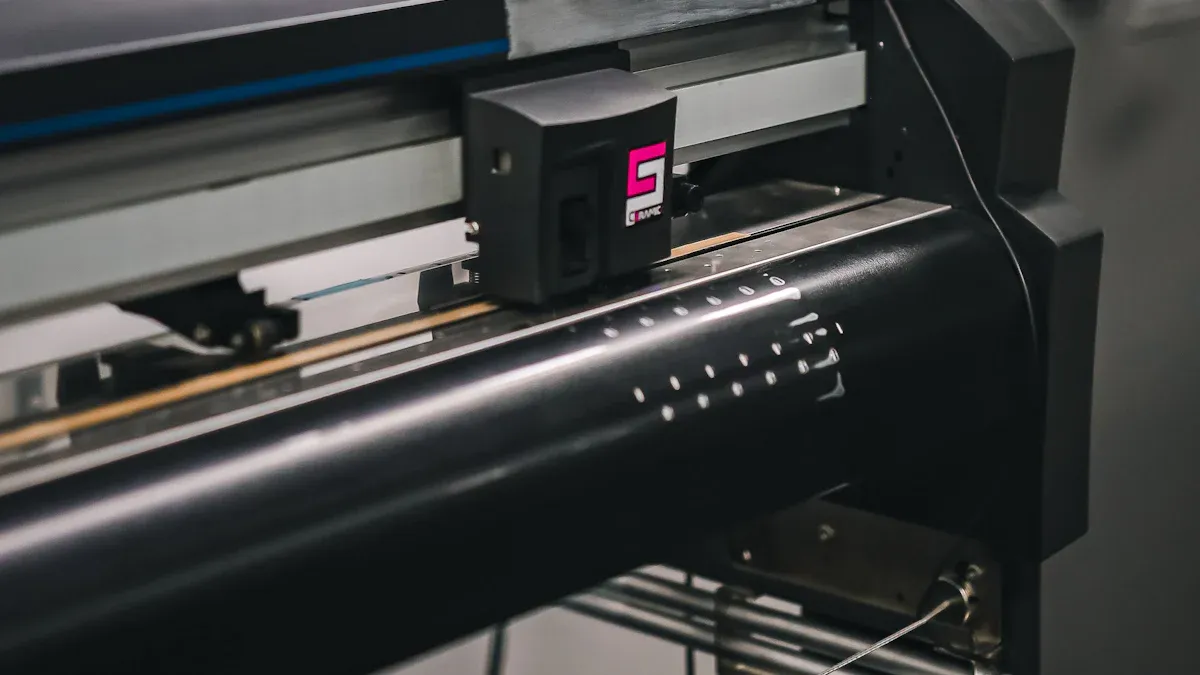
A side-by-side comparison reveals stark differences between the experimental "sublimation hack" and a professional DTF process. These differences affect everything from the final product's feel to its lifespan. Examining these points clarifies why dedicated DTF supplies are a necessary investment for any serious printing business.
The tactile experience of the final print is one of the most immediate distinctions. A proper DTF transfer feels soft and flexible. It stretches with the fabric without cracking, integrating smoothly with the garment. This is because the specialized DTF ink and powder create a cohesive, elastic layer.
The sublimation hack, in contrast, produces a stiff, plastic-like patch on the shirt. The improperly bonded ink and powder form a rigid layer that does not move with the fabric. This creates an uncomfortable, low-quality feel that is prone to cracking when stretched or worn.
The sublimation hack severely limits a printer's choice of garments. This method only produces a visible result on white or very light-colored fabrics. Attempting to use it on dark garments results in a failed print where the design is either invisible or extremely muddy. The reasons for this failure are rooted in the nature of sublimation ink.
Sublimation ink is transparent. It is designed to dye fibers, not cover them. On a dark background, the translucent colors simply disappear.
The ink cannot bond with cotton. Any design pressed onto a cotton shirt will wash out almost immediately.
Even on dark polyester, the design will be lost. The fabric's dark color will overpower the transparent ink, rendering the image invisible without a white base.
Proper DTF printing has no such limitations. It works equally well on cotton, polyester, blends, and other materials of any color, from pure white to jet black.
Durability is a non-negotiable aspect of quality apparel. Here, the proper DTF process is vastly superior. A correctly made DTF transfer can endure dozens of washes while maintaining its color and structural integrity. The bond between the ink, powder, and fabric is strong and resilient.
The sublimation hack offers virtually no durability. The transfer's weak foundation means it begins to degrade almost immediately.
Professional Tip: A transfer created with the sublimation hack will often show significant cracking, peeling, and fading after just one or two wash cycles. This makes it completely unsuitable for commercial sale or any application requiring a lasting design.
The single most important component missing from the sublimation hack is the specialized DTF white ink. This ink is the foundation of a high-quality, vibrant, and durable DTF print. Its absence in the hack is the primary cause of the poor results on colored garments.
Proper DTF printing uses a layer of opaque white ink as an underbase. This foundational layer serves several critical functions:
Creates Opacity: It forms a solid, opaque barrier that completely blocks out the color of the garment. This ensures the design looks correct on dark fabrics.
Boosts Vibrancy: The white base acts as a bright canvas. It reflects light back through the CMYK color inks, making them appear exceptionally vibrant and true to the original design file. Without it, colors look dull and are distorted by the shirt's color.
Enables White Designs: It allows for the printing of pure white text and graphics on any color garment, something impossible with the hack.
Improves Adhesion: The white ink layer is engineered to bond perfectly with the DTF powder adhesive. This ensures the entire design transfers from the dtf film and adheres securely to the fabric, contributing significantly to the print's overall durability.
Without this essential white ink layer, the sublimation hack can never achieve the opacity, vibrancy, or longevity that defines a professional DTF transfer.
Printers can experiment with sublimation ink on dtf film, but it is not a viable substitute for the correct process. Achieving professional quality, vibrancy, and durability demands the use of dedicated DTF ink and powder.
Key Takeaway: Investing in the correct supplies for your intended printing method saves time, money, and wasted materials, ensuring customer satisfaction. 💡
DTF ink is a pigment that sits on fabric. Sublimation ink is a dye that infuses into polyester fibers. Their chemical compositions are fundamentally different.
Yes, printers can often use a sublimation printer for DTF. This requires converting it with proper DTF ink, cleaning solutions, and specialized RIP software.
Sublimation ink is transparent and lacks a white underbase. The dark fabric color shows through the ink, making the design appear muddy or invisible.
Automatic UV Coaters: Essential for High-Speed Printing Efficiency
Leading Precoating Materials for Advanced Filtration Systems in 2025
Industrial Applications and Dissolution of 2 5-Furandicarboxylic Acid
Versatile Nozzle Solutions: Gardening, Bioprinting, and Lubrication Applications Explored
Boosting 2 5-Furandicarboxylic Acid Sustainability Through Data-Driven Strategies



Select the most popular foreign trade service products to meet your diverse needs
Select the most popular foreign trade service products to meet your diverse needs

Tel: +86 17706217416
Add: Building L2A, No. 520, Lane 1588, Zhuguang Road, Hongqiao World Center, Qingpu District, Shanghai, China






User Comments
Service Experience Sharing from Real Customers
James Wilson
Print Shop OwnerI was skeptical at first, but after testing, I can confirm that using sublimation ink on DTF film works brilliantly for my custom apparel business. The colors remain vibrant and the transfer is durable. A game-changer for expanding my service offerings!
Sophia Chen
Graphic DesignerAs a designer for a merch company, I needed a flexible printing solution. Using sublimation ink on DTF film allowed for excellent color blending and detail on light fabrics. Slightly longer curing time, but the final product quality is outstanding.
David Rodriguez
Production ManagerThis method solved our bottleneck for small-batch, multi-color designs. We successfully use our existing sublimation ink with DTF film for sportswear samples. The adhesion is strong and wash-resistant. Highly recommended for hybrid shops.
Emily Parker
Craft Business OwnerRunning a small home-based craft business, I experimented with using sublimation ink on DTF film for personalized totes and baby clothes. It works wonderfully! The process is cost-effective and produces professional, vibrant results. A great alternative to dedicated DTF ink.